

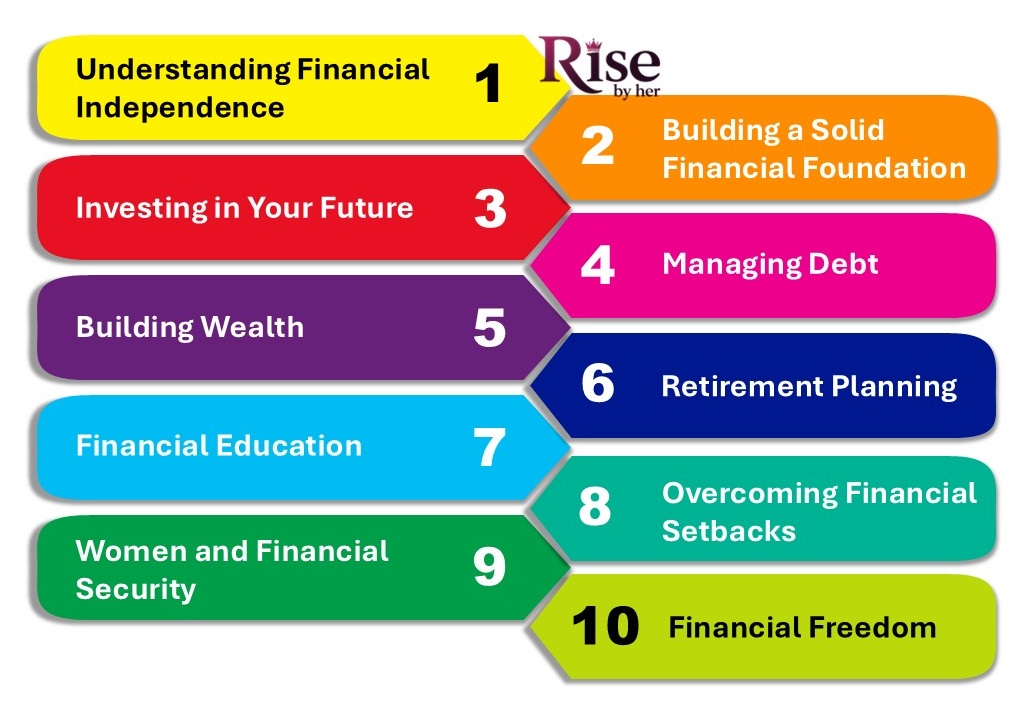
Financial independence for women starts with knowledge, planning, and action. It’s about understanding your money, making smart choices, and building a foundation that grows over time. From managing debt and investing wisely to preparing for retirement, every step you take today shapes your financial future. This guide walks you through the strategies, tools, and insights women need to take control, grow their wealth, and secure long-term stability.
What Financial Independence Means for Women (and Why It Matters)
Financial independence for women is more than just earning money, it is about building financial security, achieving economic empowerment, and gaining full control over personal finances.
Understanding what financial independence means for women is the first step toward breaking financial dependency, creating long-term stability, and designing a life with real freedom, confidence, and choice.
What Financial Independence Really Means in Practical Terms
- Choice and Autonomy: The freedom to choose your career, lifestyle, and goals without relying on others.
- Independence from Others: Not depending on a partner, family, or employer for financial security.
- Security and Confidence: Knowing you can make decisions, like starting a business or prioritizing your health, without fear of financial instability.
Why Financial Independence Is Especially Important for Women
- Longer Lifespan: Women generally live longer, requiring careful long-term planning for retirement.
- Overcoming Barriers: Financial independence helps break through wage gaps and unequal access to opportunities.
- Empowerment: It gives women the confidence to make bold decisions in both personal and professional life.
How Financial Independence Transforms Women’s Lives (Career, Choices, Security)
- Professional: It allows women to negotiate better salaries, take career risks, or start their own businesses.
- Personal: It offers the freedom to make life choices, such as focusing on family, traveling, or pursuing passions.
How to Build a Strong Financial Foundation (Essential First Steps)
Building a strong financial foundation is the first step toward lasting financial independence. Without clear money habits and basic systems in place, it becomes much harder to save, invest, or grow wealth consistently. The good news is that you can start simple and build momentum over time.
Think of this as your financial “starter kit.” Focus on these essential steps first:
Your Financial Foundation Checklist
- Create a simple monthly budget to track income and expenses
- Build an emergency fund covering at least 3–6 months of living costs
- Understand and improve your credit score (and how it affects borrowing power)
- Separate needs vs. wants to control unnecessary spending
- Automate savings to build consistency without effort
- Develop healthy money habits like tracking spending weekly
- Avoid high-interest debt whenever possible
- Start small, but stay consistent with financial planning
A strong financial foundation gives you control. It helps you avoid living paycheck to paycheck, reduces financial stress, and prepares you for investing and long-term wealth building. Once these basics are in place, every other financial step becomes easier and more effective.
Investing for Women: How to Start Building Wealth Confidently
Investing is one of the most effective ways to build long-term wealth, yet many women delay getting started because it feels complicated or risky. The truth is, you don’t need advanced financial knowledge to begin. What matters most is understanding the basics and starting early, even with small amounts.
Investing is not about getting rich quickly. It’s about allowing your money to grow steadily over time through patience, consistency, and informed choices.

Understanding Risk vs Return (The Core Idea Behind Investing)
Every investment involves a trade-off between risk and potential reward. In simple terms, investments that have the potential for higher returns usually come with higher risk, while safer options tend to grow more slowly.
The key is not avoiding risk completely, but choosing investments that match your comfort level, goals, and how long you plan to invest.
Beginner-Friendly Investment Options
If you’re just starting out, there’s no need to jump into complex investments. Some of the most beginner-friendly options include:
The key is not avoiding risk completely, but choosing investments that match your comfort level, goals, and how long you plan to invest.
- ETFs (Exchange-Traded Funds): These let you invest in many companies at once, which spreads out risk and makes investing simpler
- Index funds: Low-cost funds that follow the performance of a major market, making them a stable long-term option
- Robo-advisors: Automated platforms that create and manage an investment portfolio for you based on your goals
- Retirement accounts: Long-term savings tools that often come with tax advantages
These options are popular because they are simple, diversified, and designed for long-term growth rather than short-term speculation.
Why Long-Term Investing Works
One of the most powerful ideas in investing is long-term growth. When you leave your money invested over time, it has the chance to grow not only from your initial investment but also from the returns it generates along the way.
This effect builds gradually, which is why starting early and staying consistent matters far more than trying to time the market or make quick profits.
Smart Debt Management Strategies for a Debt-Free Future
Debt is not always a negative thing, but managing it wisely is essential if you want to build long-term financial stability. Many women struggle with debt not because they lack income, but because they don’t have a clear repayment strategy or understanding of how different types of debt work.
The goal is not just to eliminate debt, but to manage it in a way that supports your financial goals and helps you move toward a debt-free future with confidence.
Good Debt vs Bad Debt (Knowing the Difference)
Not all debt is the same. Understanding the difference can help you make smarter financial decisions:
- Good debt: Debt that helps you build long-term value or increase your earning potential, such as student loans or a mortgage
- Bad debt: High-interest debt used for short-term consumption, such as credit card debt or personal loans for non-essential spending
Good debt can support your financial growth when used responsibly, while bad debt can quickly become a burden if not managed carefully.
Smart Debt Repayment Strategies That Actually Work
Once you understand your debt, the next step is choosing a repayment strategy that keeps you consistent and motivated. Two of the most effective methods are:
- Debt Snowball Method: You focus on paying off your smallest debts first while making minimum payments on larger ones. This builds momentum and motivation as you quickly eliminate individual debts
- Debt Avalanche Method: You prioritize debts with the highest interest rates first, which helps you save more money over time by reducing overall interest costs
Both strategies work well. The best choice depends on whether you need psychological motivation (snowball) or maximum financial efficiency (avalanche).
Many people are accelerating their financial freedom using Easy Debt Payoff Hacks That Save You Money [Step-by-Step] to reduce interest and pay off balances faster.
Steps Women Can Take to Build Long-Term Wealth
Building long-term wealth is not just about saving money, it’s about creating multiple ways for your money to grow over time. Many women rely on a single income source, which can limit financial progress and increase vulnerability during unexpected life changes. The key to lasting wealth is combining smart financial habits with income growth strategies.
Create Multiple Income Streams
Relying on one paycheck can make it harder to build wealth quickly. Creating additional income streams gives you more financial stability and accelerates your ability to save and invest.
Common examples include:
- Freelance work or consulting in your skill area
- Part-time remote work or flexible gigs
- Monetizing a hobby or creative skill
- Small online businesses or digital services
Even one extra income stream can significantly increase your ability to invest and build financial security.
Explore Side Hustles and Entrepreneurship
Side hustles are one of the most practical ways to increase income without leaving your main job. They allow you to test business ideas with low risk and grow them over time.
Popular options include:
- E-commerce or dropshipping
- Online coaching or tutoring
- Content creation (blogging, YouTube, social media)
- Digital products like ebooks, templates, or courses
For some women, a side hustle eventually becomes a full-time business, creating even greater financial independence.
Many women are now building additional income streams through Easy Side Hustles for Working Moms to Earn $5,000 Monthly without quitting their jobs.
Build Passive Income for Long-Term Growth
Passive income is money earned with minimal ongoing effort after the initial setup. It plays a key role in long-term wealth building because it allows you to earn even when you are not actively working.
Examples of passive income include:
- Investment dividends
- Rental income from property
- Digital products that sell repeatedly
- Royalties from creative work
While passive income often requires effort upfront, it becomes a powerful source of financial freedom over time.
More women are building long-term financial stability through 15 Passive Income Ideas for Women to Build Wealth in 2026, designed to create income beyond a 9–5 job.
Retirement Planning for Women: Securing Your Golden Years
Planning for retirement is essential, and women need to take a proactive approach to ensure they’re financially secure in their later years. Women typically live longer than men, making it especially important to start planning early.

Steps to Prepare for Retirement:
- Contribute to Retirement Accounts: Contribute to a 401(k), IRA, or other retirement account, and try to take full advantage of any employer matches.
- Estimate Future Expenses: Project how much money you will need in retirement to maintain your lifestyle. This can help you determine how much to save each month.
- Consider Additional Income Streams: Think about ways to supplement your retirement income, such as starting a business or investing in real estate.
Planning for retirement requires discipline and foresight, but the earlier you start, the more time you have for your investments to grow.
Top Financial Education Resources Every Woman Should Know
Financial education is a lifelong journey, but there are plenty of resources available to help you get started. The more you learn, the more confident you’ll be in making financial decisions.
Recommended Resources:
- Books: Some great reads include The Total Money Makeover by Dave Ramsey, Smart Women Finish Rich by David Bach, and You Are a Badass at Making Money by Jen Sincero.
- Online Courses: Websites like Coursera and Udemy offer financial literacy courses that cover budgeting, investing, and more.
- Podcasts: Tune in to personal finance podcasts like The Dave Ramsey Show, HerMoney, and BiggerPockets for expert advice and tips.
Knowledge is power by educating yourself about finances, you’ll be better equipped to make informed decisions and achieve your financial goals.
Recovering from Financial Setbacks: Strategies for Resilience
Everyone faces financial challenges at some point. Whether it’s an unexpected medical bill, job loss, or economic downturn, resilience is key to overcoming these setbacks.
Steps to Overcome Setbacks:
- Stay Calm and Assess: Take a deep breath and assess the situation objectively. What are your immediate needs? What can you control?
- Revaluate Your Budget: When faced with financial difficulties, it’s essential to cut back on non-essential spending and focus on your priorities.
- Reach Out for Help: Don’t be afraid to seek financial counseling or assistance if needed. Many organizations offer free advice or resources to help you manage debt or budget effectively.
Financial setbacks are inevitable, but your response to them can make all the difference. With the right mindset, you can overcome challenges and continue working toward financial independence.
Women and Financial Security: How to Create a Lasting Legacy
Building financial security isn’t just about supporting yourself, it’s about creating a legacy that can help future generations. Women have the power to pass down financial wisdom, resources, and opportunities to their children and families.

Ways to Build a Financial Legacy:
- Teach Financial Literacy: Empower the next generation by teaching your children about budgeting, saving, and investing.
- Estate Planning: Ensure that your wealth is passed on according to your wishes with a solid estate plan, including a will and trusts.
- Philanthropy: Consider giving back to your community or supporting causes that matter to you. Building a legacy isn’t just about money, it’s about leaving a lasting impact.
Achieving Financial Freedom: Taking Control of Your Money and Life
Financial freedom is the ultimate reward for taking control of your finances. It means having the ability to live life on your own terms, whether that’s traveling the world, spending more time with loved ones, or pursuing your passions without worrying about money.
By following the steps outlined in this guide, you can work toward financial independence and achieve the freedom to create the life you truly desire. It’s not just about accumulating wealth; it’s about using your money to live authentically and pursue your dreams.
Conclusion
Achieving financial independence is not just about having control over your money but having control over your life. By understanding the fundamentals of budgeting, saving, investing, and managing debt, you can lay the groundwork for a secure and empowering future. Remember, financial freedom is a journey, and it begins with taking one step at a time. Every small decision you make today will bring you closer to living the life you’ve always dreamed of on your own terms.
Ready to take control of your financial future? Start by setting clear financial goals, tracking your progress, and making the choices that align with your values. The journey may seem daunting, but you have the power and knowledge to make it a reality.
Take the first step today, sign up for our newsletter for more tips, or start learning about investing. The road to financial independence begins with you, and we’re here to support you every step of the way!
By Aveline Lowell
Founder & Editor-in-Chief, RiseByHer
Aveline Lowell writes research-driven content covering women’s finance, entrepreneurship, STEM, technology, and career growth. Her work focuses on practical, well-researched information that helps women make informed decisions.
Editorial & Disclaimer: RiseByHer aims to provide accurate, well-researched, and up-to-date information. Articles are reviewed and updated when necessary and are intended for general informational and educational purposes, not personalized financial, legal, tax, or professional advice.