


Introduction: Why Real Estate Is a Powerful Wealth Strategy for Women in 2026
Financial independence matters more than ever for women, and real estate remains one of the most reliable ways to build long-term wealth. As more women step into entrepreneurship, leadership, and high-income careers, the focus is shifting toward investments that create stability, freedom, and future security.
Real estate stands out because it offers multiple ways to grow wealth, including:
- Rental properties for monthly cash flow
- House flipping for faster profit opportunities
- REITs (Real Estate Investment Trusts) for hands-off investing
What makes real estate especially powerful is the combination of steady income and long-term appreciation. It also helps diversify your portfolio, so you are not relying only on savings or the stock market.
2026 is a strong time for women to take action. More resources, mentorship communities, and women-focused investing networks are making it easier than ever to start. At the same time, women are gaining greater financial influence, and many experts predict women will control a growing share of global wealth in the coming years.
Real estate is not just about buying property. It’s about building financial security, creating multiple income streams, and setting the foundation for generational wealth. With the right strategy, 2026 can be the year real estate becomes your strongest wealth-building move.
How to Choose the Best Real Estate Blueprint Based on Your Income and Lifestyle
There’s no single “best” real estate blueprint. The right strategy depends on your income, your time, your risk tolerance, and how hands-on you want to be.
Some women want slow, steady wealth. Others want faster profits. And many want passive income without dealing with tenants or renovations.
Use the guide below to pick the strategy that fits your lifestyle, not someone else’s.
1. Best Real Estate Strategy for Long-Term Wealth and Stability
If your goal is to build wealth over time and create financial security, buy-and-hold investing is the strongest blueprint.
This strategy is built around purchasing a rental property and holding it for years while your tenant helps pay down the mortgage. Over time, you benefit from three major wealth drivers:
- Monthly rental cash flow
- Property appreciation
- Mortgage payoff (equity growth)
This is one of the best strategies for women who want a long-term wealth plan that feels stable and predictable. It also works well if you want to eventually create generational wealth or build a real estate portfolio you can pass down.
Best fit for you if:
- You want long-term financial freedom
- You prefer stability over speed
- You don’t mind managing tenants or hiring a property manager
- You want wealth that grows year after year
Top strategy match: Buy-and-hold rentals
2. Best Real Estate Strategy for Fast Profits and Quick Cash Growth
If you want faster results and you’re comfortable taking calculated risks, property flipping is the blueprint designed for quick profit potential.
Flipping is simple in theory: buy undervalued property, renovate it strategically, and resell it for a profit. But it is not passive. It requires strong planning, accurate budgeting, and the ability to manage timelines.
Flipping can produce large income jumps in a short period, which is why many women use it as a way to build capital quickly and then transition into buy-and-hold investing later.
However, it’s important to understand that flipping becomes dangerous when you underestimate costs or overestimate the selling price. The most successful investors treat flipping like a business, not a gamble.
Best fit for you if:
- You want profit faster than rental investing
- You can manage contractors and renovations
- You have strong discipline with budgeting
- You’re comfortable with higher risk
Top strategy match: Real estate flipping
3. Best Real Estate Strategy for Passive Income With Minimal Time
If you want real estate income without the stress of tenants, repairs, or renovation decisions, your best option is REITs or real estate crowdfunding.
These strategies allow you to invest in real estate the same way you invest in stocks. You can earn passive income and long-term growth without owning property directly.
REITs (Real Estate Investment Trusts) are especially powerful because they often pay consistent dividends, and you can start with a small amount. Crowdfunding is also a strong option if you want exposure to rental properties, apartment buildings, or commercial projects without buying them yourself.
This is ideal for women who are building wealth while juggling a career, kids, or a demanding schedule. You still benefit from real estate growth, but without being the one handling the day-to-day responsibilities.
Best fit for you if:
- You want passive income with low effort
- You work full-time and don’t have time to manage property
- You want to diversify your investments
- You want real estate exposure without major debt
Top strategy match: REITs and real estate crowdfunding
4. Best Real Estate Strategy if You Have Little Money to Start
If you want to invest in real estate but your budget is tight, the good news is that you do not need $50,000 sitting in a savings account to begin.
In 2026, many women start building wealth through real estate using REITs, crowdfunding platforms, or strategic partnerships. These allow you to start small, learn how real estate investing works, and grow your confidence while your income increases.
This is often the smartest approach because it reduces risk. Instead of rushing into a mortgage you’re not ready for, you can begin building real estate exposure today and scale later into rental properties or commercial investments.
If you are currently focused on saving, paying off debt, or stabilizing your income, starting small is not a disadvantage. It is actually a strong foundation.
Best fit for you if:
- You have under $5,000 to invest
- You want to start safely and build confidence
- You want real estate growth without major financial pressure
- You’re learning and want a beginner-friendly strategy
Top strategy match: Crowdfunding and REITs (start small, scale later)
Strategy 1: Buy and Hold Real Estate to Build Long-Term Wealth
1. What Buy-and-Hold Investing Means (Simple Breakdown)
Buy-and-hold real estate investing is a strategy where investors purchase properties and hold them for an extended period. Instead of selling the property quickly, investors generate passive income through rent while waiting for the property’s value to be appreciated. Over time, this approach provides both steady cash flow and long-term equity growth.
2. Why Buy-and-Hold Works Especially Well for Women
Buy-and-hold real estate is an excellent investment strategy for women due to its ability to provide long-term stability and consistent returns.
Here are the key reasons why it works well:
- Steady Passive Income: Rental properties offer a reliable source of passive income, making it ideal for women balancing work, family, and other responsibilities.
- Equity Growth: As mortgage balances decrease and property values increase, investors build equity over time without the need for constant active involvement.
- Financial Independence: With the right property, women can achieve long-term financial security and even build wealth for future generations.
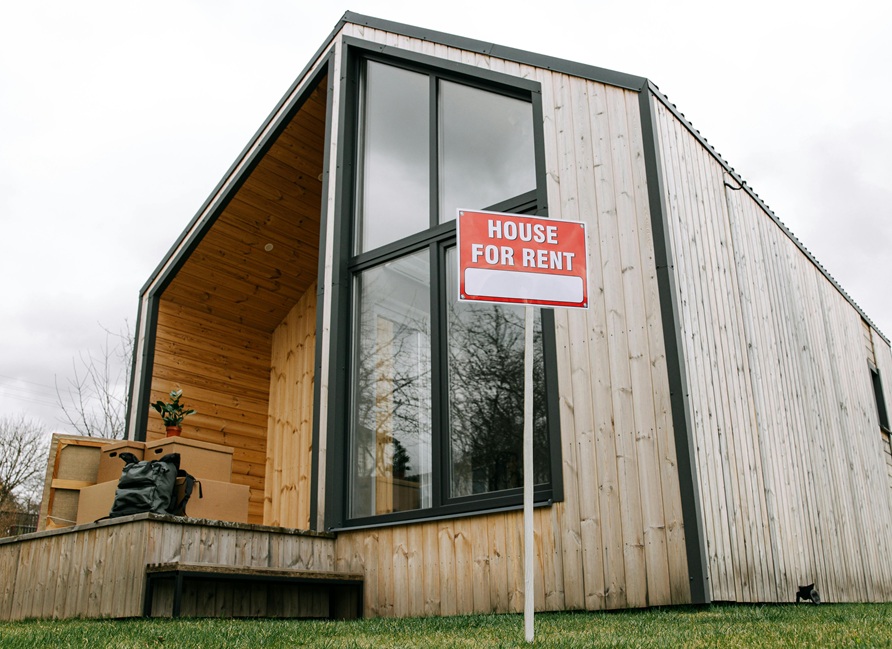
This strategy provides women with an opportunity to take control of their finances and enjoy peace of mind through consistent income and asset appreciation.
3. How to Start Buy-and-Hold Investing in 2026 (Step-by-Step)
If you’re ready to begin investing in real estate in 2026, here are a few steps to follow:
- Choose the Right Property Type:
- Single-family homes are an excellent entry point, offering simpler management and stability.
- Multi-family units can provide higher returns by generating multiple rental incomes from one property.
- Select Profitable Rental Markets:
- Look for areas with strong demand for rental properties, such as neighborhoods with good schools, low crime rates, and access to amenities.
- Consider the potential for growth in the area, including economic development and rising property values.
By selecting the right properties and markets, women can harness the power of buy-and-hold real estate to secure financial freedom and long-term wealth.
4. Common Mistakes Women Should Avoid With Rental Properties
Buy-and-hold investing can build serious long-term wealth, but many first-time landlords lose money because they skip the fundamentals. Avoid these common rental property mistakes:
- Buying based on emotion instead of cash flow (always run the numbers first)
- Underestimating repairs, vacancies, and hidden expenses
- Skipping tenant screening to fill the unit faster
- Charging rent too low out of guilt or fear of losing tenants
- Not using a strong lease or understanding landlord laws
- Ignoring location trends that affect demand and appreciation
- Trying to manage everything alone instead of building a support system
A rental property becomes a wealth tool only when it’s treated like a business, not a side hustle.
Strategy 2: Flip Real Estate Properties for Faster Profits
1. How Real Estate Flipping Works (Beginner Explanation)
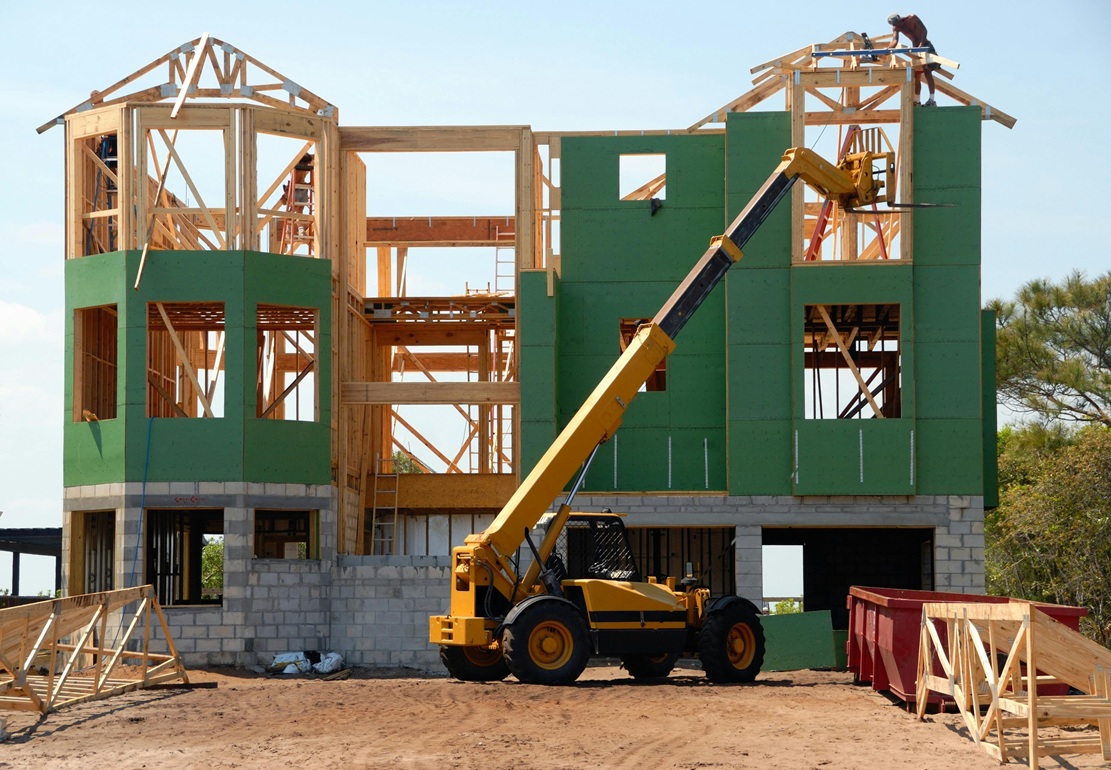
Real estate flipping is a short-term investment strategy where you buy a property at a low price, renovate it to increase its value, and then sell it at a profit. The goal is to complete the process quickly (usually within a few months) to maximize returns and reduce holding costs like mortgage payments, taxes, and insurance.
Flipping has gained popularity in recent years thanks to home renovation shows and online content, but it’s more than just cosmetic upgrades. Successful flipping requires smart market research, financial planning, and a clear understanding of renovation costs and timelines.
2. Why Flipping Can Be a High-Income Strategy for Women
Flipping can be a powerful way for women to generate high returns on a relatively short timeline. It’s especially appealing for those who want to be hands-on, creative, and strategic with their investments. Here’s why women should explore this path:
- High-Profit Potential: A successful flip can result in tens of thousands of dollars in profit in just a few months.
- Flexible Time Commitment: Women balancing careers, families, or other roles can flip properties on their own schedule, especially when managing smaller projects or partnering with a team.
- Creative Fulfillment: For women with an eye for design and detail, flipping offers the chance to create beautiful spaces while building wealth.
3. What Makes a Property a “Good Flip” in 2026
A good flip is not just a cheap property, it’s a low-risk, high-margin opportunity with strong resale demand.
In 2026, successful flips usually share a few key traits:
- Bought below market value with clear profit room after renovation
- Located in a high-demand area with strong buyer interest
- Has cosmetic rather than structural issues (faster, cheaper renovations)
- Simple layout that appeals to broad buyers
- Clear exit price based on recent comparable sales (comps)
If the numbers don’t show profit before you buy, it’s not a flip, it’s a gamble.
4. Biggest Flipping Risks and How to Protect Your Profit
Flipping can deliver fast income, but it also comes with real financial risks if you don’t plan properly.
The most common mistakes include:
- Underestimating renovation costs: always add a 10–20% buffer
- Buying in the wrong location: weak demand kills resale value
- Over-improving the property: upgrades should match neighborhood pricing
- Delays in renovation timelines: every extra month increases holding costs
- Overestimating resale price: always base decisions on real comps, not expectations
To protect your profit, smart investors calculate everything upfront: purchase price, renovation budget, holding costs, and worst-case resale value. If the deal still works under conservative numbers, then it’s worth considering.
Strategy 3: Earn Passive Income Through Real Estate Investment Trusts (REITs)
1. What REITs Are and How They Pay You
Real Estate Investment Trusts, or REITs, are companies that own, operate, or finance income-producing real estate across various sectors—like residential, commercial, healthcare, and retail. By investing in REITs, you can earn a share of the income generated through real estate holdings without owning or managing properties yourself. REITs are typically traded on major stock exchanges, making them a simple and accessible entry point into real estate investing.
2. Why REITs Are Great for Women Who Want Passive Wealth
REITs offer a perfect blend of low risk and passive income, making them especially attractive to women looking for financial growth without the hassle of property management or a large upfront investment. Here’s why REITs stand out:
- Lower Capital Requirement: You can start investing with just a few hundred dollars, unlike traditional real estate that requires a down payment and financing.
- Truly Passive Income: REITs distribute regular dividends, providing ongoing income without the need to manage tenants or repairs.
- Diversification: Many REITs invest in a range of property types, helping you spread risk across different sectors and regions.
This makes REITs an ideal solution for women who want to invest in real estate while maintaining flexibility and peace of mind.
3. How to Start Investing in REITs in 2026 (Beginner Steps)
If you’re ready to explore REITs, here’s how to begin:
- Top REITs to Consider: If you’re exploring REITs in 2026, consider well-established options like Realty Income (O), Prologis (PLD), and Digital Realty (DLR), all known for consistent dividends and strong long-term growth. For instant diversification, REIT ETFs like the Vanguard Real Estate ETF (VNQ) offer a broad mix of real estate holdings, making it easier to gain exposure to the market without managing individual investments.
- How to Evaluate Performance: When evaluating a REIT’s performance, focus on key metrics like dividend yield, funds from operations (FFO), and total return over recent years to gauge income reliability and growth potential. Also, consider the REIT’s property focus—such as residential, commercial, or specialized sectors—and its market outlook to ensure it aligns with your risk tolerance and financial goals.
REITs are a smart, simple way for women to tap into real estate; earning passive income and growing wealth without ever picking up a hammer.
4. REITs vs Rental Property: Which One Is Better?
Both REITs and rental properties can build wealth, but they work in very different ways. The better choice depends on your capital, time, and how involved you want to be.
Real Estate Investment Trusts (REITs) are the most passive option. You invest in real estate companies through the stock market and earn income through dividends. There’s no property management, no tenants, and no maintenance. It’s simple and highly liquid, but you don’t control the assets.
Rental properties, on the other hand, give you direct ownership. You earn income from rent and benefit from long-term appreciation, but you also take on responsibility for management, repairs, and financing decisions.
REITs are better if you want:
- Low starting capital
- True passive income
- Easy diversification
- No landlord responsibilities
Rental properties are better if you want:
- Higher control over your investment
- Strong long-term wealth building
- Leverage through mortgages
- Potential tax advantages and appreciation
In simple terms, REITs are for convenience and accessibility, while rental properties are for control and long-term wealth acceleration. Many investors actually combine both to balance stability and growth
Strategy 4: Start Small With Real Estate Crowdfunding (Low Budget Option)
Real estate crowdfunding makes it possible to invest in property without buying an entire building. Instead, you pool your money with other investors to fund real estate projects and earn returns based on performance. It’s one of the most accessible ways to start in real estate, especially if you don’t have large capital.

1. What Real Estate Crowdfunding Means
Real estate crowdfunding is a way to invest in property projects online. Developers or real estate companies raise money from multiple investors to fund deals like apartment buildings, commercial spaces, or renovations. In return, investors earn income from rent, interest, or profit when the property is sold.
You don’t manage the property, handle tenants, or deal with maintenance. You are simply a part-owner in a larger investment.
2. Why Crowdfunding Is Perfect for Women Starting With Little Money
Crowdfunding lowers the biggest barrier in real estate: high entry cost. Instead of needing tens of thousands, you can start small and still gain exposure to real estate markets.
It is especially useful if you:
- Want to invest while keeping your job or business
- Prefer passive income without landlord responsibilities
- Want to diversify beyond stocks or savings accounts
- Are still learning real estate investing but want real exposure
It allows you to build experience while your capital grows gradually.
3. How Much You Need to Start (Realistic Numbers)
Unlike traditional real estate, crowdfunding platforms allow you to start with relatively small amounts. Most platforms require:
- $10 to $100 minimum for beginner-friendly platforms
- $500 to $1,000 for more diversified or higher-quality deals
- $5,000+ if you want more serious portfolio exposure
The key advantage is flexibility. You can start small, test different platforms, and scale as your confidence and income grow.
4. Crowdfunding Risks to Watch Out For
While crowdfunding is accessible, it’s not risk-free. The most important risks include:
- Lack of liquidity (your money may be locked for years)
- Project failure or delays
- Lower control over investment decisions
- Platform reliability and due diligence risks
- Returns that are not guaranteed
To reduce risk, always research the platform, understand the project details, and avoid investing money you may need in the short term. Diversifying across multiple projects can also help protect your capital.
You can explore more in our guide on Best Crowdfunding Platforms for Women Entrepreneurs (2026 Guide), where we break down the top options in detail.
Strategy 5: Invest in Commercial Real Estate for Bigger Returns
Commercial real estate is one of the most powerful wealth-building strategies because it can generate higher income, longer leases, and more stable tenants compared to residential property. While it may sound advanced, it’s becoming more accessible through partnerships, syndications, and smaller entry investments.

1. What Counts as Commercial Real Estate? (Not Just Offices)
Commercial real estate is any property used for business purposes, not just office buildings. It includes a wide range of income-producing assets such as:
- Retail spaces like shops and small malls
- Office buildings and coworking spaces
- Warehouses and storage facilities
- Multifamily apartments (often classified as commercial when large-scale)
- Mixed-use properties combining residential and business units
Understanding this range is important because many beginners underestimate how diverse commercial investing really is.
2. Why Commercial Real Estate Can Build Wealth Faster
Commercial properties often generate stronger returns than residential rentals because they operate like business assets. Key advantages include:
- Higher rental income potential compared to single-family homes
- Longer lease agreements, often 3–10 years, creating stable cash flow
- Business tenants who maintain the property better than individuals
- Potential for value growth through business performance and location demand
In simple terms, commercial real estate scales faster because income is tied to business activity, not just individual renters.
3. Best Commercial Properties to Invest in as a Beginner
Not all commercial investments require large expertise or capital. Some beginner-friendly options include:
- Small retail units in high-traffic areas
- Storage and self-storage facilities (low management intensity)
- Small multifamily apartment buildings
- Real estate syndications (group investments managed by professionals)
These options allow beginners to access commercial real estate without directly managing large or complex assets.
4. How Women Can Start Commercial Investing Without Millions
You don’t need millions to enter commercial real estate anymore. Modern investment structures make it possible to start small and scale over time.
Here’s how beginners typically get started:
- Investing through real estate syndications with pooled capital
- Using crowdfunding platforms focused on commercial deals
- Partnering with other investors to share costs and risk
- Starting with REITs that specialize in commercial assets
The key is not starting big, but starting smart. Many investors begin with small fractional investments and gradually move into direct ownership as their capital and confidence grow.
How Much Money Do You Need to Start Investing in Real Estate in 2026?
One of the biggest myths in real estate is that you need a large amount of money to get started. In 2026, that’s no longer true. The amount you need depends entirely on the strategy you choose, not a fixed entry point.
1. Starting with $500–$5,000 (REITs and Crowdfunding)
This is the most accessible entry point for beginners. You’re not buying property directly, but you are investing in real estate markets.
At this level, you can start with:
- REITs (Real Estate Investment Trusts) through stock platforms
- Real estate crowdfunding platforms with low minimum investments
This range is ideal if you want to start early, learn the market, and build exposure without financial pressure.
2. Starting with $10,000–$30,000 (Small Rental or Partnership)
With this budget, you begin to access more hands-on strategies. While it may not be enough for a full property purchase in most markets, it can work through:
- Down payments in lower-cost areas
- Co-investing with a partner or family member
- Joint ventures where responsibilities and profits are shared
This stage is where many investors transition from passive exposure to active wealth building.
3. Starting with $50,000+ (Traditional Rentals and Flips)
At this level, you can begin pursuing full real estate deals more independently. Options include:
- Purchasing rental properties with financing
- Funding full renovation projects for flipping
- Entering stronger cash-flow markets or expanding into multiple units
This is where real estate becomes a scalable wealth strategy rather than just an entry investment.
4. How to Buy Real Estate With Low Income (Creative Options)
Low income does not block you from investing, but it does require strategy. Many successful investors start small and build up through:
- Increasing savings through automated investing
- Using government-backed or low-down-payment loan programs
- House hacking (living in one unit while renting others)
- Partnering with other investors to share costs and risk
The key is not waiting for “enough money,” but choosing the right entry strategy for your current situation and scaling over time.
Best Real Estate Strategy for Women by Goal (Quick Guide)
Every woman invests with a different goal. Some want steady passive income, others want long-term wealth, and some want faster cash flow. The best strategy is the one that matches your financial goal, not the most popular one.
1. Best strategy for passive income
If your goal is to earn money with minimal effort, focus on REITs and real estate crowdfunding. These options let you invest without managing tenants, repairs, or properties.
They are ideal if you want:
- Hands-off investing
- Monthly or quarterly income (dividends or returns)
- Easy diversification across multiple properties
2. Best strategy for long-term generational wealth
If your focus is building wealth that lasts for decades, buy-and-hold rental properties are the strongest option.
This strategy works because you benefit from:
- Monthly rental income
- Long-term property appreciation
- Mortgage paydown over time creating equity
3. Best strategy for beginners who fear risk
If you are new to real estate and want to minimize risk, start with REITs or small crowdfunding investments.
These options are best because they:
- Require low starting capital
- Don’t involve direct property management
- Allow you to learn real estate investing gradually
4. Best strategy for women who want faster cash flow
If your priority is faster returns, real estate flipping or small multifamily rentals are the most effective options.
These strategies can generate income more quickly, but they also require:
- Strong budgeting and planning
- Active involvement in deals or renovations
- Higher risk tolerance compared to passive investing
Final Thoughts: Pick One Strategy and Start Building Wealth in 2026
Real estate is not about doing everything at once. It’s about choosing a strategy that matches your income, your time, and your long-term goals, then sticking with it long enough to see results.
Whether you start with REITs, crowdfunding, rental properties, or flipping, each path can build real wealth when approached with discipline and patience. The biggest difference between those who succeed and those who don’t is not money, it’s consistency and smart decision-making.
Start where you are, choose one blueprint, and take your first step in 2026.

By Aveline Lowell
Founder & Editor-in-Chief, RisebyHer
Aveline Lowell is the Founder and Editor-in-Chief of Rise by Her, where she publishes research-driven content focused on women’s entrepreneurship, financial independence, and scalable income strategies. Her work covers profitable business models, grant opportunities, digital income growth, and strategic career advancement for modern women building sustainable wealth.
She is committed to providing structured, practical guidance that helps women make informed financial and business decisions.