
What Is a Solopreneur and Why Women Choose This Path
If you’ve searched for the definition of a solopreneur or wondered what it means to be a solopreneur, you’re not alone. A solopreneur is someone who builds and runs a business on their own, without partners or employees. Unlike traditional entrepreneurs who may hire teams and seek funding, solopreneurs are self-reliant and manage every aspect of their business themselves.
This path is especially appealing to women who value independence, flexibility, and creative control. Whether you’re running a coaching practice, freelance design studio, virtual assistant service, or an online boutique, solopreneurship allows you to grow a business around your own lifestyle.
Common Industries for Women Solopreneurs
- Coaching and Consulting (career, life, wellness)
- Freelancing (writing, design, marketing)
- Virtual Services (virtual assistant, bookkeeping, tech support)
- E-commerce (handmade goods, dropshipping, digital products)
- Content Creation (blogging, YouTube, social media influencing)
Why Many Women Choose Solopreneurship
- Full autonomy over business decisions
- Freedom to work when and where they want
- The ability to align work with personal values and passions
- Lower startup costs and fewer risks compared to traditional ventures
Solopreneurship is not just a business model; it’s a lifestyle choice. It empowers women to create meaningful work on their own terms, often with a deeper sense of purpose and satisfaction.
What Does It Mean to Be an Entrepreneur Today
If you’re curious about the entrepreneur meaning in business or comparing what is an entrepreneur vs solopreneur, it’s important to understand that while both build businesses, entrepreneurs often take a broader, more scalable approach.
An entrepreneur is someone who creates, launches, and grows a business—often with the goal of scaling operations, hiring a team, and reaching a larger market. Entrepreneurs typically invest in infrastructure, manage employees, and may even seek outside funding to support expansion.
Key Traits of an Entrepreneur
- Focused on building a scalable business model
- Delegates tasks and leads a team
- Often invests capital and takes calculated risks
- Aims for growth, market reach, and long-term sustainability
Types of Entrepreneurs
- Startup Founders: Building innovative products or tech platforms
- Franchise Owners: Operating under an established brand model
- Small Business Owners: Running brick-and-mortar shops or service-based companies
- Social Entrepreneurs: Focused on mission-driven or nonprofit impact
Entrepreneurship offers the opportunity to make a wide impact, lead a team, and potentially generate significant revenue. While it may come with more complexity and responsibility, it also opens doors to building something larger than yourself.
Solopreneur vs Entrepreneur: The Real Differences That Matter
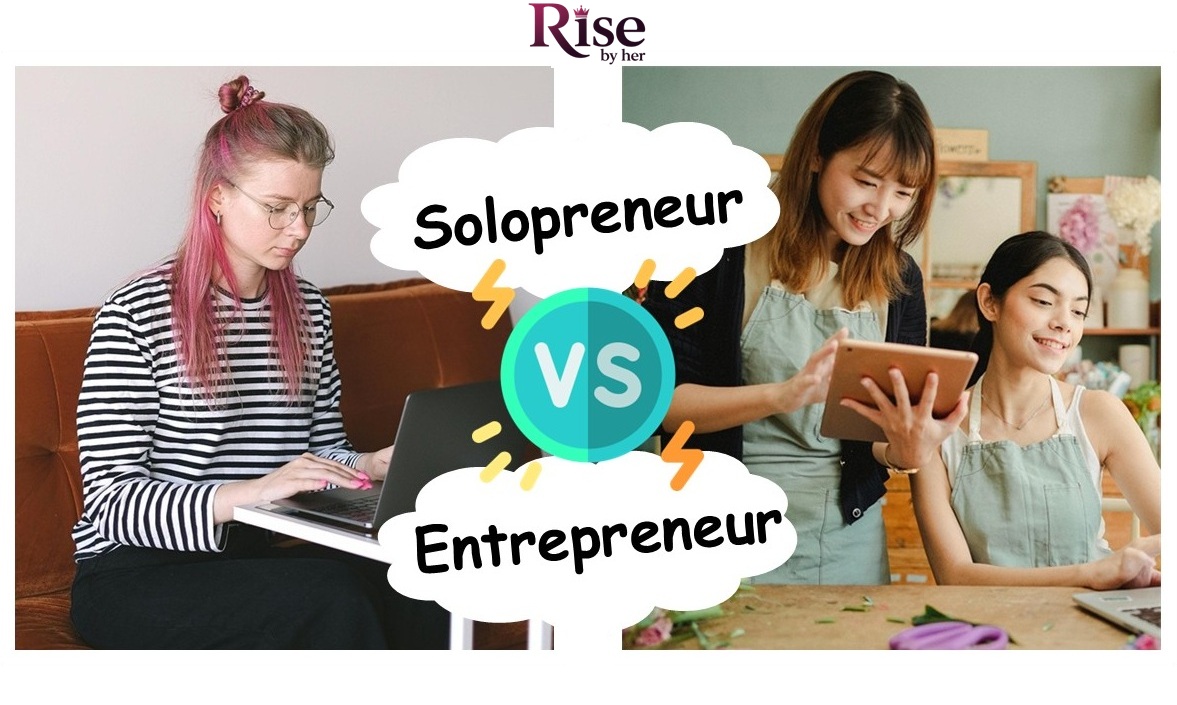
When considering the difference between solopreneur and entrepreneur, it’s important to recognize the varying business structures, growth models, and risks involved. While both paths involve building a business, they differ significantly in terms of scale, responsibility, and approach.
Let’s break down these key differences with a simple comparison:
| Aspect | Solopreneur | Entrepreneur |
| Team Size | Solely responsible for all tasks | Often builds and manages a team |
| Growth Model | Limited by personal capacity, often starting small | Focused on scaling through teams, systems, and investment |
| Risk Level | Lower financial risk, as costs are usually minimal | Higher financial risk, often requiring funding and resources |
| Workload | Handles every aspect of the business alone | Delegates tasks and manages operational complexity |
| Investment | Usually it starts with minimal investment, self-funded | Often seeks investment or external funding to scale |
| Lifestyle | More flexibility, but time-intensive | It can be demanding but offers opportunities for more freedom and expansion |
Key Takeaways:
- Solopreneurs typically prefer the independence of running their own business but may face limitations in terms of scalability and workload.
- Entrepreneurs, on the other hand, aim for growth, often involving larger teams, external funding, and a more expansive business vision.
- The solopreneur vs entrepreneur comparison highlights how each path caters to different goals, risk tolerance, and business aspirations.
Choosing between these two paths depends on personal preferences, goals, and resources. Whether you want to remain in full control of a smaller operation or aim to build a larger enterprise, each path offers unique challenges and rewards.
The Advantages and Challenges of the Solopreneur Life
If you’re weighing the pros and cons of being a solopreneur or wondering is solopreneurship right for me, it’s important to look at both the benefits and challenges of this business model. Being a solopreneur offers unique opportunities but also comes with certain limitations. Let’s dive into both sides to help you make a more informed decision.
Pros of Being a Solopreneur
- Flexibility: As a solopreneur, you have the ultimate flexibility in how and when you work. Whether you’re a mom balancing family life or someone who values the ability to set your own schedule, solopreneurship allows you to work on your own terms.
- Full Control Over Your Business: You have the freedom to make decisions quickly and follow your vision without needing approval from others. From branding to strategy, everything is in your hands, enabling you to shape your business exactly how you see fit.
- Lower Overhead: Operating a solo business means you typically have lower overhead costs. You don’t need to worry about payroll, office space, or extensive infrastructure. This makes it easier to keep costs low and maintain higher profit margins.
- Creative Freedom: With no partners or external pressures, you can explore and execute creative ideas that align with your passions. This can lead to a deeper sense of fulfillment in your work.
Cons of Being a Solopreneur
- Scalability Limitations: One of the biggest challenges for solopreneurs is scalability. Without a team, your growth potential is often limited by the number of hours in a day. As demand increases, it can be difficult to keep up.
- Heavy Workload: As a solopreneur, you’re responsible for every aspect of your business, from marketing to finances to customer service. This can lead to burnout, especially when trying to juggle multiple roles at once.
- Isolation: Operating alone can be isolating. Without a team, you miss out on the collaboration, feedback, and emotional support that comes from working with others. Many solopreneurs experience loneliness or a sense of being overwhelmed without a support network.
- Limited Resources: Since you’re the only one in charge, you may lack the time and expertise to handle specialized tasks, such as advanced marketing strategies or complex financial analysis. This can make it difficult to compete with larger businesses that have dedicated teams.
Is Solopreneurship Right for You?
If you’re a woman who values autonomy, enjoys wearing multiple hats, and is passionate about a specific idea or skill, solopreneurship may be an ideal path. However, it’s important to be aware of the potential downsides, such as workload and isolation. Be honest with yourself about your strengths, goals, and capacity before deciding to take the leap.
The Rewards and Realities of Being an Entrepreneur
If you’re considering whether to become an entrepreneur or remain a solopreneur, it’s essential to weigh the advantages and disadvantages of being an entrepreneur. Entrepreneurship offers a world of opportunities but also comes with its own set of challenges. Here’s a breakdown of what it means to be an entrepreneur, and whether it’s the right path for you.
Pros of Being an Entrepreneur
- Delegation and Team Building: As an entrepreneur, you have the ability to delegate tasks to a team, allowing you to focus on the larger strategic aspects of your business. This not only enhances productivity but also lets you leverage the skills of others to achieve growth.
- Scalability and Growth Potential: One of the main advantages of being an entrepreneur is the ability to scale your business. With a solid plan and the right resources, you can expand your business into new markets, develop additional products, and hire employees to handle increased demand.
- Brand Expansion and Market Reach: Entrepreneurs have the ability to build a brand that reaches a larger audience. Through effective marketing, partnerships, and collaborations, you can position your business to achieve a broad, lasting impact on your target market.
- Potential for High Revenue: With scalable growth and expansion, entrepreneurs often have the potential for much higher revenue than solopreneurs. By reaching a wider audience and creating multiple income streams, you can increase profitability over time.
Cons of Being an Entrepreneur
- Financial Risk: One of the major downsides to being an entrepreneur is the financial risk. Entrepreneurs often need to invest a significant amount of money into the business to get it off the ground, and may seek funding from investors or take on debt to finance growth. If the business doesn’t succeed, the financial repercussions can be severe.
- Leadership Pressure and Responsibility: As a business owner with a team, you’re responsible for every decision that affects the company. This includes managing employees, meeting deadlines, ensuring customer satisfaction, and keeping the business running smoothly. The pressure can be overwhelming, especially in the early stages.
- Complexity in Operations: Running a larger business with employees, multiple departments, and diverse operations introduces a level of complexity. Managing all these moving parts requires strong leadership, organizational skills, and attention to detail.
- Time Commitment: While solopreneurs often have control over their work schedules, entrepreneurs may find themselves spending more time managing the business due to its larger scope. Business owners often work long hours to ensure everything is running smoothly.
Relatable Examples of Women Entrepreneurs
- Sara Blakely, founder of Spanx, grew her business from a small, solo operation into a multi-million-dollar empire by building a strong team and expanding her brand into new markets.
- Sophia Amoruso, founder of Nasty Gal and author of #GIRLBOSS, scaled her online business into a global brand while navigating the challenges of leadership and risk management.
Being an entrepreneur offers incredible potential for growth and success, but it’s not without its challenges. If you’re someone who thrives under pressure, enjoys leadership, and is prepared to invest time and resources into growing your business, entrepreneurship may be the right path for you.
Solopreneur or Entrepreneur: How to Choose the Path That Fits Your Life
If you’re still torn between solopreneur vs entrepreneur, which is better, it’s essential to consider your personality, goals, and lifestyle. While both paths offer opportunities for success, they require different mindsets, resources, and levels of commitment. The best way to choose between the two is to reflect on what matters most to you and where you envision your business going.
Quiz-Style Checklist: Find the Path That Fits You Best
1. How much control do you want over your business decisions?
- A. I want to make every decision myself and keep things simple. (Solopreneur)
- B. I’m open to building a team and delegating tasks to scale my business. (Entrepreneur)
2. What is your growth ambition?
- A. I want to stay small, focusing on flexibility and managing everything on my own. (Solopreneur)
- B. I want to expand my business and create job opportunities, even if it means more complexity. (Entrepreneur)
3. How do you feel about risk?
- A. I prefer to keep my finances stable and avoid risky investments. (Solopreneur)
- B. I’m ready to take financial risks to grow my business and expand my market reach. (Entrepreneur)
4. How do you balance work and personal life?
- A. I need a flexible schedule that allows me to prioritize my personal life and passions. (Solopreneur)
- B. I’m ready to dedicate long hours and work hard to grow my business. (Entrepreneur)
5. Do you prefer working alone or leading others?
- A. I thrive when I can work independently and don’t need a team. (Solopreneur)
- B. I enjoy leading people, motivating them, and seeing my team succeed. (Entrepreneur)
Tailored Advice for Women Professionals, Moms, and Creatives
- For Women Professionals: If you value autonomy and want to maintain full control over your business, starting as a solopreneur might be a great option. However, if you’re looking to create a long-term, scalable business, entrepreneurship may be a better fit.
- For Moms: Solopreneurship offers more flexibility, allowing you to work from home and set your own hours. If you want to prioritize family while running a business, this path could be ideal. But, if you’re open to growing a business in stages and want to build something with a team, consider entrepreneurship when you’re ready to scale.
- For Creatives: As a creative, starting solo can give you the freedom to explore your vision and execute your ideas without compromise. If your creative business starts to gain traction and you want to grow it further, entrepreneurship may allow you to reach more people and expand your impact.
Suggestion
If you’re still uncertain, start as a solopreneur and scale when you feel confident in your product and brand. The beauty of solopreneurship is that it offers flexibility and low risk, giving you the space to grow at your own pace. Once you’re ready for more, you can transition to an entrepreneur mindset and begin expanding your business with a team.
Final Thoughts
Choosing between becoming a solopreneur or entrepreneur isn’t about picking the “better” path; it’s about choosing the one that aligns with your goals, lifestyle, and values. Solopreneurs often value independence, flexibility, and simplicity. Entrepreneurs are typically driven by growth, teamwork, and scalability. Both paths come with unique rewards and challenges.
If you’re a woman considering starting your own business, ask yourself what kind of life and impact you want to create. Whether you’re building a personal brand from home or scaling a business with a team, success starts with clarity and intention.
Ready to Take the Next Step?
Subscribe to our newsletter for weekly insights on women’s career growth, leadership, and entrepreneurship.
Explore more article on: Women in Business-Entrepreneurship

By Aveline Lowell
Founder & Editor-in-Chief, RisebyHer
Aveline Lowell is the Founder and Editor-in-Chief of Rise by Her, where she publishes research-driven content focused on women’s entrepreneurship, financial independence, and scalable income strategies. Her work covers profitable business models, grant opportunities, digital income growth, and strategic career advancement for modern women building sustainable wealth.
She is committed to providing structured, practical guidance that helps women make informed financial and business decisions.