

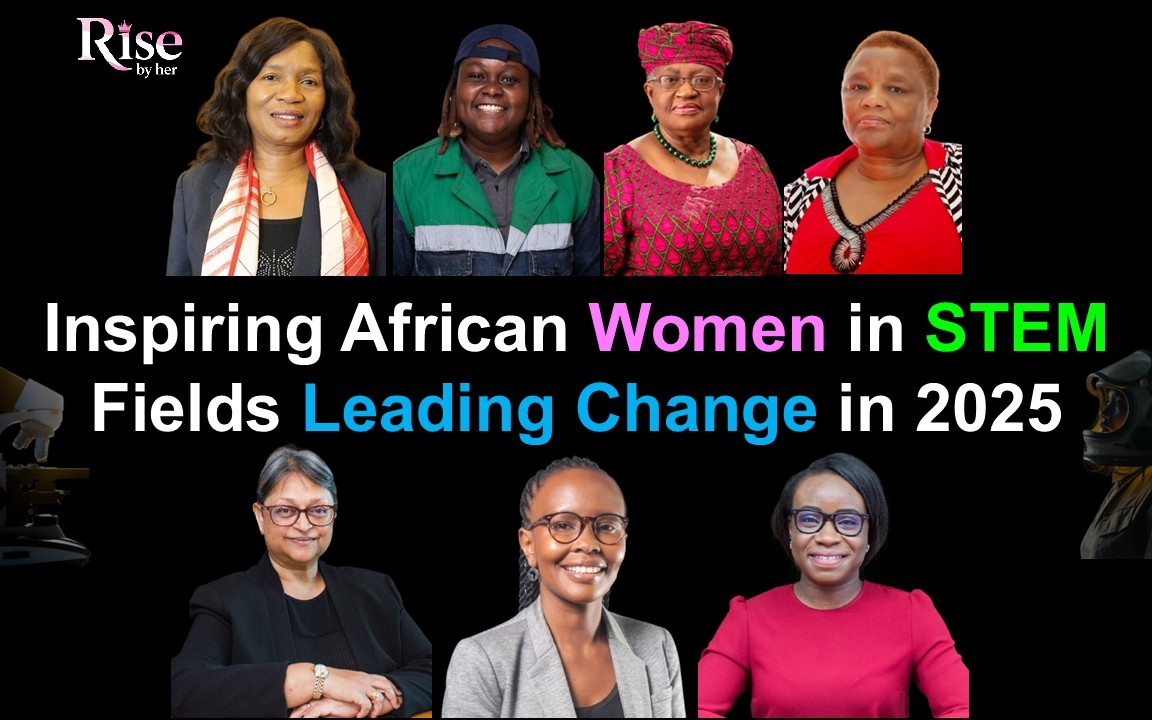
Across Africa, a new generation of women is rewriting the story of science, technology, engineering, and mathematics. These women aren’t just participating in STEM, they’re leading. From inventing life-changing technologies to mentoring young girls, African women in STEM fields are breaking barriers and shaping a brighter future for the continent. In 2026, their stories matter more than ever. But who are these trailblazers? In this article, we introduce you to seven inspiring African women transforming industries and inspiring the next wave of innovators. Their journeys reveal not only talent and determination but also the power of representation in fields long dominated by men. Whether in AI, space science, renewable energy, or medical technology, these leaders prove that when African women rise in STEM, the world benefits. Read on to discover the women changing Africa’s scientific landscape and inspiring generations to come.
Why African Women in STEM Are Shaping the Future in 2026
In 2026, African women in STEM fields are not just contributors, they are leaders shaping the future of science, technology, engineering, and mathematics across the continent. Their growing presence in sectors like artificial intelligence, renewable energy, and medical research shows why representation matters more than ever.
For decades, African girls have faced cultural, economic, and educational barriers that kept them out of science and technology careers. But today, seeing successful African women scientists and engineers challenges outdated stereotypes and encourages young girls to dream bigger. Representation in STEM empowers future generations to pursue careers once seen as unreachable.
African women’s contributions are also critical for innovation and sustainable growth. From developing local tech solutions to addressing public health challenges, women in STEM are solving Africa’s biggest problems. Supporting and highlighting African women in science and technology fields is essential for unlocking the continent’s full potential.
If you’re searching for why empowering African women in technology is important, or how African women in STEM are leading innovation in 2026, this is the answer: because their leadership drives progress for everyone.
Meet 7 Trailblazing African Women Leading STEM Innovation
1. Dr. Ngozi Okonjo-Iweala, Nigeria
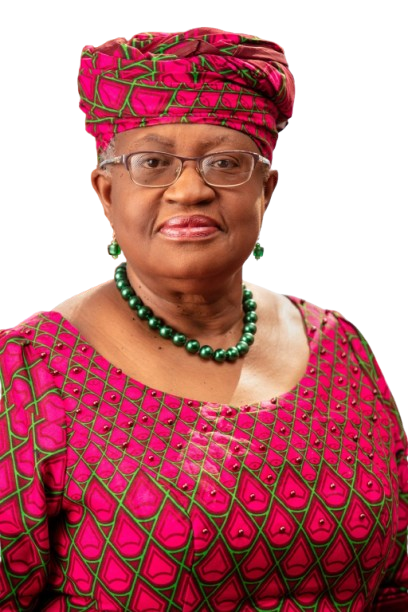
Field of Expertise: Development Economics, Finance, International Trade
Key Achievements & Projects: Dr. Okonjo-Iweala is a globally renowned economist and development expert. She made history as the first woman and first African to serve as the Director-General of the World Trade Organization (WTO) since March 2021. Prior to this, she had a distinguished 25-year career at the World Bank, rising to the position of Managing Director. She also served twice as Nigeria’s Minister of Finance, where she led negotiations for the country’s $18 billion debt relief deal in 2005. Her tenure saw significant economic reforms, including strengthening public financial management and promoting transparency in the oil sector, which helped Nigeria become Africa’s largest economy by 2014. She also championed the use of technology for direct subsidy payments to farmers, bypassing corrupt intermediaries.
Impact on Future Generations: Dr. Okonjo-Iweala is a powerful symbol of African excellence and leadership on the global stage. Her career demonstrates that women, particularly African women, can reach the highest echelons of international organizations and influence global policy. She consistently advocates for economic empowerment, good governance, and inclusive growth in Africa, inspiring young women to pursue careers in economics, finance, and international relations with a focus on national development. Her visibility at the WTO provides a crucial role model for girls interested in global leadership and trade.
2. Professor Tebello Nyokong, Lesotho/South Africa
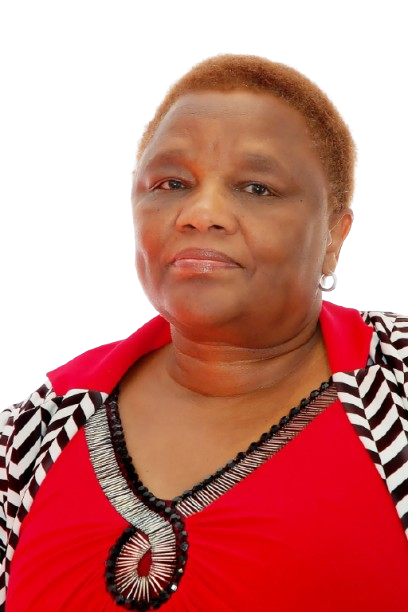
Field of Expertise: Medicinal Chemistry, Nanotechnology
Key Achievements & Projects: Professor Nyokong is a world-renowned chemist specializing in photodynamic therapy (PDT) as an alternative cancer treatment. Her groundbreaking research focuses on using nanotechnology to develop safer and more effective methods to destroy cancer cells without harming healthy tissue. She is a distinguished professor at Rhodes University in South Africa and has received numerous accolades for her contributions to science, including the African Union Kwame Nkrumah Scientific Prize and the L’Oréal-UNESCO For Women in Science Award. She has published extensively and holds several patents for her innovative work.
Impact on Future Generations: Professor Nyokong’s journey, from a humble background in Lesotho to becoming a leading scientist, serves as a profound inspiration. She has not only advanced scientific knowledge in a critical field like cancer treatment but has also been a passionate advocate for increasing the representation of women in STEM. Her work encourages young Africans, especially girls, to pursue challenging scientific careers and demonstrates the potential for impactful research that addresses global health challenges.
3. Dr. Juliana Rotich, Kenya

Field of Expertise: Computer Science, Technology Innovation, Entrepreneurship
Key Achievements & Projects: Dr. Rotich is a Kenyan computer scientist, tech innovator, and entrepreneur. She is best known as the co-founder of Ushahidi, an open-source platform that uses crowdsourced data for crisis mapping and information sharing. Ushahidi gained international recognition for its use in monitoring post-election violence in Kenya in 2008 and has since been deployed in various humanitarian and disaster relief efforts worldwide. She also co-founded BRCK, a company that develops rugged, self-powered, internet-enabled devices to improve connectivity in remote areas.
Impact on Future Generations: Dr. Rotich exemplifies how technology can be used as a powerful tool for social good and citizen engagement. Her work with Ushahidi revolutionized crisis response and demonstrated the potential of African innovation to solve real-world problems. She inspires young African women to embrace entrepreneurship and use their technological skills to create solutions that impact their communities and beyond, fostering a new generation of tech-savvy problem-solvers.
4. Dr. Quarraisha Abdool Karim, South Africa
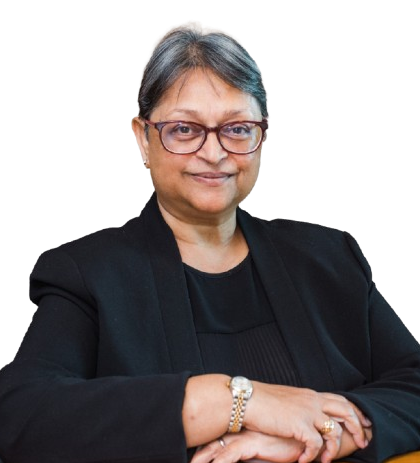
Field of Expertise: Epidemiology, HIV/AIDS Research
Key Achievements & Projects: Dr. Abdool Karim is a leading South African epidemiologist and a global authority on HIV/AIDS. Her research has significantly advanced our understanding of HIV prevention, particularly in women. She co-led the CAPRISA 004 trial, which demonstrated that a topical antiretroviral gel could prevent HIV infection in women, a groundbreaking discovery with global implications. She is the Associate Scientific Director of the Centre for the AIDS Programme of Research in South Africa (CAPRISA) and a Professor of Epidemiology at Columbia University. Her work has earned her numerous awards, including the Christophe Mérieux Prize and the L’Oréal-UNESCO For Women in Science Award.
Impact on Future Generations: Dr. Abdool Karim’s dedication to combating the HIV/AIDS epidemic in Africa showcases the critical role of scientific research in public health. She has not only saved countless lives through her prevention strategies but has also inspired a generation of African scientists to pursue careers in infectious disease research and public health. Her leadership in a field with profound societal impact motivates young women to contribute to addressing critical health challenges facing the continent.
5. Professor Francisca Nneka Okeke, Nigeria
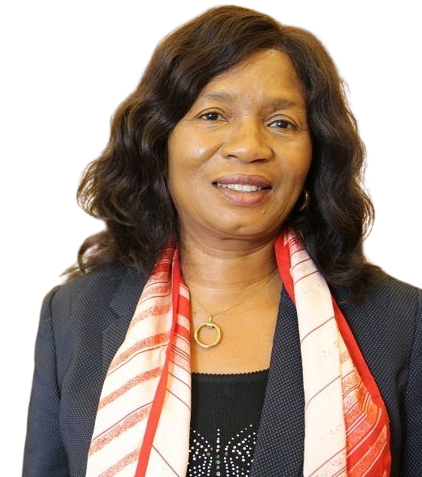
Field of Expertise: Physics (Geophysics, Climate Change)
Key Achievements & Projects: Professor Okeke is a distinguished Nigerian physicist. She is the first woman to head the Physics Department at the University of Nigeria, Nsukka, and later became the first female Dean of the Faculty of Physical Sciences at the same university. Her research focuses on the ionosphere, particularly its influence on climate change. She has made significant contributions to understanding the daily variations of the Earth’s magnetic field and its impact on the distribution of atmospheric currents. Her work has earned her the L’Oréal-UNESCO For Women in Science Award.
Impact on Future Generations: Professor Okeke’s achievements in a field traditionally dominated by men have paved the way for other women in academia and science. She is a strong advocate for increasing female participation in physics and other STEM fields, demonstrating that women can excel in fundamental sciences and contribute to our understanding of complex global phenomena like climate change. She inspires young Nigerian girls to pursue scientific careers and break gender barriers in higher education and research.
6. Dr. Ozak Esu, Nigeria/UK

Field of Expertise: Electrical and Electronic Engineering
Key Achievements & Projects: Dr. Ozak Esu is a dynamic Nigerian electrical and electronic engineer. She was named one of the Top 50 Women Under 35 in Engineering in the UK by The Telegraph and has been recognized for her innovative work in smart technologies and energy systems. Her research and projects often focus on finding sustainable solutions to energy challenges, particularly in developing countries. She is passionate about applying engineering principles to improve daily lives and has been actively involved in initiatives promoting STEM education.
Impact on Future Generations: Dr. Esu’s rising profile in the engineering sector demonstrates the potential for young African women to make significant contributions to technological innovation. Her focus on practical applications of engineering to address real-world problems, especially in energy, inspires future generations to consider engineering as a career path where they can directly impact societal development. She serves as a role model for aspiring engineers, particularly those interested in sustainable technologies.
7. Nzambi Matee, Kenya

Field of Expertise: Civil Engineering, Sustainable Manufacturing, Waste Management
Key Achievements & Projects: Nzambi Matee is a Kenyan civil engineer and innovator who founded Gjenge Makers, a company that produces sustainable building materials from recycled plastic waste. Her company transforms discarded plastics into durable, stronger-than-concrete bricks, pavers, and manhole covers. This innovative approach tackles both plastic pollution and the demand for affordable construction materials. Her work has earned her international recognition, including being named a Young Champion of the Earth by the United Nations Environment Programme (UNEP).
Impact on Future Generations: Nzambi Matee embodies the spirit of innovation and sustainable development. Her creation of Gjenge Makers showcases how STEM skills can be leveraged to address pressing environmental challenges and create economic opportunities. She inspires young Africans to think creatively about waste management, embrace circular economy principles, and pursue entrepreneurial ventures that have a positive social and environmental impact. Her success highlights the power of applied science and engineering in building a more sustainable future.
Challenges, Breakthroughs, and the Future of African Women in STEM
Barriers Facing African Women in STEM Careers
Despite remarkable progress, African women in STEM still face significant challenges that limit their participation and success. Gender bias in hiring and promotion remains widespread, often discouraging talented women from entering or advancing in science and technology careers. In many African countries, girls also lack access to quality STEM education from an early age, leaving them underprepared for higher-level studies or technical careers. Limited funding opportunities and a lack of mentorship further isolate women who do manage to enter STEM fields. Cultural expectations often prioritize family roles over career ambitions, adding yet another hurdle to overcome. These barriers collectively prevent countless African women from reaching their full potential as scientists, engineers, and innovators.
Opportunities Through STEM Scholarships and Mentorship Programs
Fortunately, there are growing efforts to bridge these gaps. Many organizations offer scholarships for African women in STEM, helping girls from underserved communities access quality education in engineering, technology, and science. Programs like the WAAW Foundation and African Women in Science and Engineering (AWSE) provide both financial aid and mentorship, supporting young women throughout their educational and professional journeys. These STEM mentorship programs in Africa connect aspiring scientists with experienced professionals, offering guidance and encouragement that helps girls navigate challenges and build lasting careers in STEM.
African Women Scientists Leading Innovation in 2026
Today, African women scientists leading innovation are transforming industries across the continent. From developing AI-driven agricultural technologies to designing affordable renewable energy solutions, these women are solving critical challenges with creativity and expertise. In 2026, women-led startups and tech hubs are thriving in countries like Kenya, Ghana, and Nigeria, thanks in part to the leadership of tech leaders Africa 2026. Their innovations not only address local problems but also position African economies to compete globally in sectors like health-tech, fintech, and environmental engineering.
Empowering Women in STEM Fuels Africa’s Growth
Investing in women’s participation in science and technology is more than just a social cause, it’s an economic imperative. Supporting women in STEM Africa 2026 means tapping into half of the continent’s talent pool, driving innovations that lead to sustainable development and economic prosperity. By empowering African women in technology, governments and organizations help create more inclusive, resilient industries that can adapt to future challenges.
The path to Africa’s scientific and technological future must include women. Addressing barriers, expanding access to education, and celebrating innovations by African women in STEM are key steps toward building a stronger, more equitable Africa.
- 10 Inspiring Women in STEM Who Built Successful Startups
- Inspiring Women in Science: Powerful Role Models for Girls
- 3 Inspiring Success Stories of Women Leaders in Tech

By Aveline Lowell
Founder & Editor-in-Chief, RisebyHer
Aveline Lowell is the Founder and Editor-in-Chief of Rise by Her, where she publishes research-driven content focused on women’s entrepreneurship, financial independence, and scalable income strategies. Her work covers profitable business models, grant opportunities, digital income growth, and strategic career advancement for modern women building sustainable wealth.
She is committed to providing structured, practical guidance that helps women make informed financial and business decisions.