

In today’s competitive market, personal branding for women is more than just a buzzword; it’s a strategic necessity. A powerful brand helps you stand out, build trust with your audience, and create long-term business success. Whether you’re launching a startup or scaling an existing business, a strong brand strategy for entrepreneurs can be the difference between blending in and becoming an industry leader.
However, women entrepreneurs often face unique branding challenges, from overcoming industry biases to balancing authenticity with professionalism. Many struggles with defining their brand identity, crafting a compelling brand story, or maintaining consistency across digital platforms.
In this guide, we’ll explore essential branding strategies tailored for women entrepreneurs in 2026. From building a unique value proposition to leveraging social media and PR, you’ll learn how to create a brand that resonates, attracts loyal customers, and drives business growth. Let’s dive in!
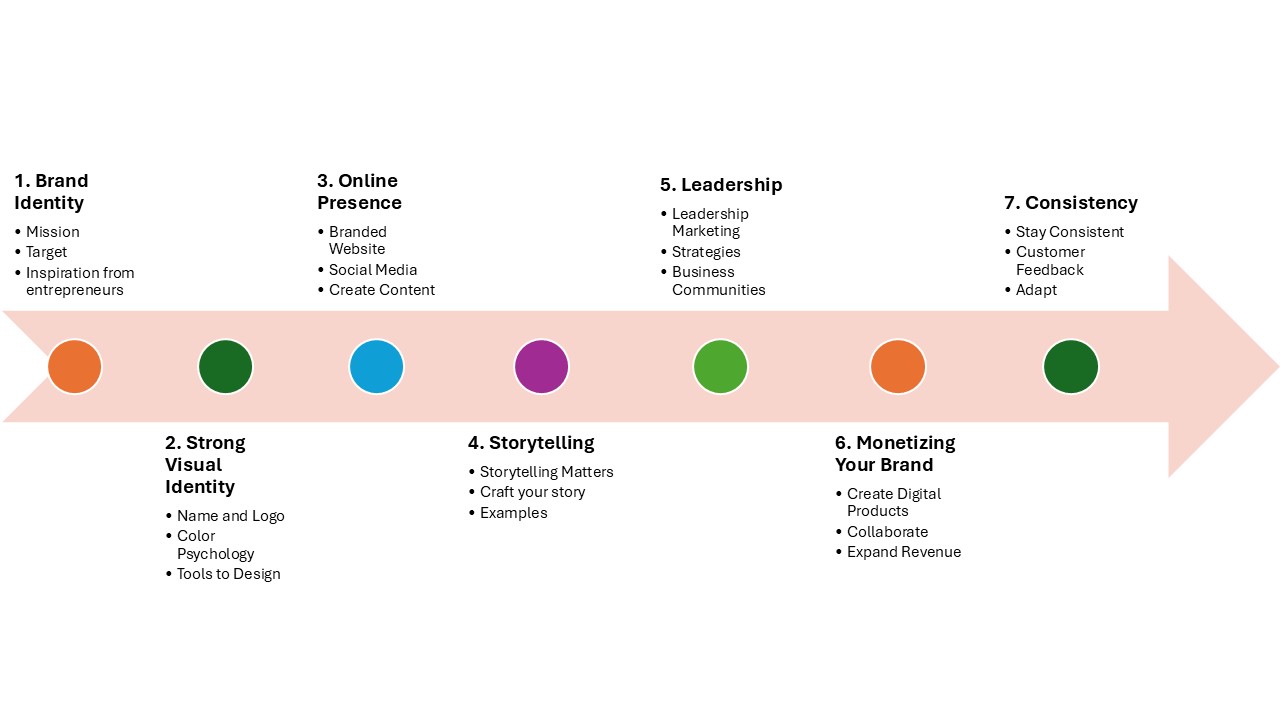
Define a Strong Brand Identity and Positioning Strategy
A successful business starts with a clear brand identity, how your audience perceives you and what makes your brand unique. To stand out in a competitive market, you need a well-defined unique selling proposition (USP) and strategic brand positioning that aligns with your mission and values.

1. Clarify Your Mission, Values, and Brand Purpose
Your brand should reflect what you stand for. Ask yourself:
- What problem does my business solve?
- What values drive my brand?
- How do I want customers to feel when they interact with my brand?
A strong mission builds trust and loyalty, while a well-defined niche helps position your brand as an expert in your industry.
2. Identify Your Niche and Market Positioning
Trying to serve everyone weakens your brand. Successful women entrepreneurs build strong brands by focusing on a clear niche and positioning themselves as the best solution for a specific audience.
Your niche defines who you help, while your positioning explains why customers should choose you over competitors. The more specific your brand message is, the easier it becomes to attract loyal customers and stand out online.
Ask yourself:
- Who do I serve?
- What problem do I solve?
- What makes my approach different?
For example, instead of calling yourself a “business coach,” position yourself as a business coach for women launching online businesses or scaling personal brands.
Clear market positioning improves brand recognition, strengthens trust, and makes your marketing more effective across search engines and social media.
3. Define Your Target Audience and Customer Pain Points
Your brand positioning should resonate with the right audience. Define:
- Who they are (demographics, interests, pain points).
- How they communicate (formal vs. casual, emotional vs. logical messaging).
- What they expect from your brand.
Your brand voice—whether authoritative, friendly, or empowering—should remain consistent across all platforms to create a memorable experience.
4. Build a Unique Value Proposition That Differentiates You
Your unique value proposition (UVP) explains why people should choose your brand over others. It should clearly communicate what you offer, who you help, and what makes your solution different.
A simple formula is:
“I help [target audience] achieve [desired result] through [unique solution].”
Example:
“I help women entrepreneurs grow profitable brands through SEO-driven content and strategic marketing.”
Strong value propositions focus on outcomes, not just services. Instead of saying “I offer marketing services,” explain the transformation you provide.
To create a compelling UVP:
- Focus on customer results
- Keep your messaging clear and specific
- Highlight what makes your brand unique
- Avoid generic industry buzzwords
A strong value proposition makes your brand more memorable, trustworthy, and easier to market consistently across your website and social platforms.
5. Learn From Successful Women-Led Brands (Case Examples)
Successful women entrepreneurs understand the power of branding. Examples include:
- Sara Blakely (SPANX) – A bold, empowering voice targeting women in business.
- Sophia Amoruso (Girlboss) – A niche personal brand that blends authenticity with business expertise.
- Rihanna (Fenty Beauty) – A brand that disrupted the beauty industry by addressing inclusivity.
By crafting a clear brand identity and strong USP, you can position your business for long-term success and recognition.
Create a Memorable Brand Name and Visual Identity System
Your brand identity is the first impression people remember. In 2026, strong brands are not just visually “pretty”, they are consistent, strategic, and built for recognition across search, social media, and mobile-first experiences.
A powerful identity combines a clear brand name, simple logo, intentional colors, and consistent typography to create instant trust.
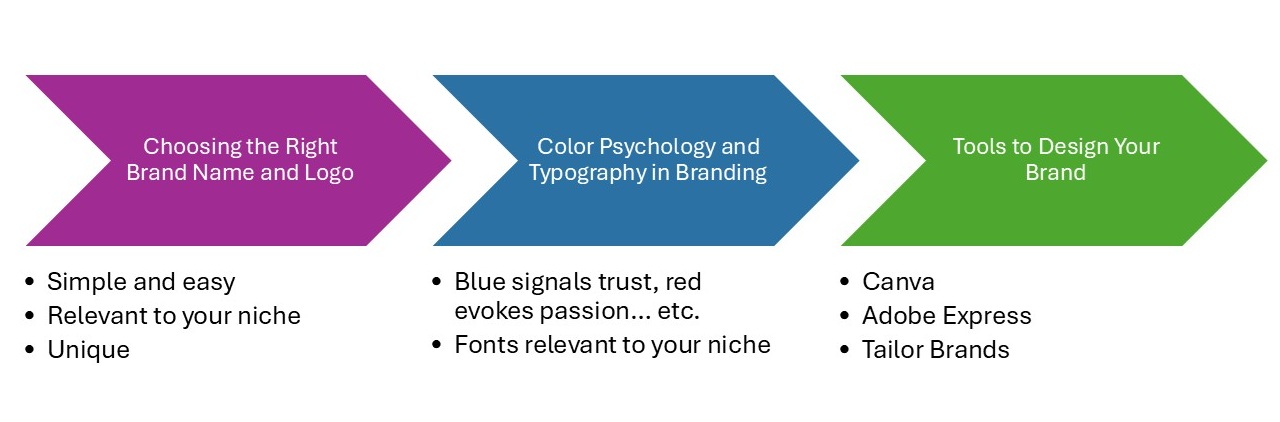
1. How to Choose a High-Impact Brand Name (SEO + Memorability)
A strong brand name should be easy to remember, easy to spell, and aligned with your niche. In digital branding, clarity often beats creativity.
Aim for a name that:
- Reflects your niche or value
- Is short and easy to pronounce
- Works well for SEO and domain availability
- Feels professional and scalable
Avoid overly complex or generic names that are hard to search or remember. The best brand names often communicate either what you do or the transformation you offer.
2. Logo Design Principles That Build Trust and Recognition
Your logo is not just decoration, it is a trust signal. A strong logo should be simple, scalable, and recognizable even at small sizes like social media icons.
Focus on:
- Clean and minimal design
- Strong readability
- Consistency across platforms
- Timeless rather than trendy visuals
A good logo does not need to explain everything. It should support recognition, not overwhelm the viewer.
3. Color Psychology in Branding for Women Entrepreneurs
Colors influence perception faster than words. The right palette can communicate trust, energy, elegance, or authority before a user even reads your content.
Choose colors based on:
- Emotional impact (trust, confidence, calm, energy)
- Your target audience expectations
- Industry positioning (premium vs accessible branding)
Keep your palette simple: 2–3 main colors and 1–2 supporting tones for consistency across your website and social media.
4. Typography and Visual Consistency Explained
Typography shapes how your brand feels. Fonts can make your brand look premium, modern, playful, or corporate.
To stay consistent:
- Use 1–2 primary fonts only
- Maintain consistent font sizes and spacing
- Avoid mixing too many styles across platforms
Consistency in typography builds recognition and makes your brand feel more professional and structured.
5.Best Branding Tools for Beginners and Professionals
You don’t need advanced design skills to build a strong visual identity. The right tools can help you create a professional brand quickly.
Popular tools include:
- Canva for brand kits and templates
- Adobe Express for simple design work
- Looka or Brandmark for logo ideas
- Coolors for color palette generation
The key is not the tool itself, but using it to maintain consistency across every touchpoint of your brand.
Build a High-Converting Online Presence (Website + Social Media)
Your online presence is your digital storefront. In 2026, customers judge your credibility within seconds based on your website, social media, and content consistency. A strong presence turns visibility into trust, and trust into conversions.
The goal is not just to be present online, but to appear professional, consistent, and intentional across every platform.

1. Why Every Woman Entrepreneur Needs a Branded Website in 2026
A branded website is your central authority hub. Unlike social media, you fully own it, control it, and optimize it for search engines.
A website helps you:
- Build credibility and trust instantly
- Rank on Google and attract organic traffic
- Convert visitors into clients or customers
- Centralize your brand message
Without a website, your brand depends entirely on social algorithms. With one, you build long-term visibility and authority.
2. Essential Website Pages for Brand Authority (Home, About, Services, Blog)
A strong website is structured for clarity and conversion.
Core pages include:
- Home page: Clear value proposition and positioning
- About page: Your story and credibility
- Services page: What you offer and who it’s for
- Blog: SEO-driven content that builds authority and traffic
Each page should reinforce your brand message and guide visitors toward taking action.
3. Social Media Branding Strategy That Builds Authority
Social media is not just for posting, it’s for positioning. Your goal is to be recognized as an expert in your niche.
Focus on:
- Consistent niche-focused content
- Clear messaging across all platforms
- Educational and value-driven posts
- A recognizable visual identity
Instead of chasing trends, focus on building authority and trust through repetition and clarity.
4. How to Create Content That Builds Trust and Engagement
Trust-building content answers real problems your audience faces. It educates, simplifies, and demonstrates expertise.
Effective content types include:
- How-to guides and tutorials
- Personal insights and lessons learned
- Case studies and real examples
- Problem-solving posts
Consistency matters more than virality. The more value you provide, the stronger your audience trust becomes over time.
5. Common Online Branding Mistakes to Avoid
Many women entrepreneurs weaken their brand without realizing it.
Avoid:
- Inconsistent messaging across platforms
- Changing niches too often
- Overly promotional content without value
- Weak or missing branding visuals
- No clear call-to-action
A strong online presence is built on clarity, consistency, and repetition. When these are aligned, your brand becomes easier to recognize, trust, and buy from.
Craft a Powerful Brand Story That Connects Emotionally
A strong brand is not built on visuals alone, but on emotion and meaning. In 2026, customers connect more with stories than with products. Your brand story is what turns you from a service provider into a memorable, trusted identity.

1. Why Storytelling Is Essential in Modern Branding
Storytelling helps people understand who you are and why your brand exists. It builds emotional connection, which is often stronger than price or features.
A good brand story:
- Builds trust faster than traditional marketing
- Makes your brand more memorable
- Differentiates you in a crowded market
- Humanizes your business
Without storytelling, your brand feels transactional instead of meaningful.
2. The Simple Framework to Build Your Brand Story (Past, Problem, Purpose, Promise)
A clear structure makes your story easier to communicate and remember.
Use this framework:
- Past: What led you to start this journey
- Problem: The challenge you or your audience faced
- Purpose: Why your brand exists today
- Promise: The transformation you deliver
This structure keeps your story focused, authentic, and emotionally engaging without overcomplicating it.
3. How to Make Your Story Relatable and Authentic
Your brand story should feel real, not perfect. People connect with honesty, struggles, and growth more than polished narratives.
To make your story relatable:
- Speak in a natural, simple tone
- Include real challenges and lessons learned
- Focus on transformation, not perfection
- Align your story with your audience’s struggles
Authenticity builds trust, and trust drives long-term brand loyalty.
4. Real Examples of Women Entrepreneurs With Strong Brand Stories
Strong brands often grow from personal journeys that resonate with a specific audience.
For example:
- Entrepreneurs who turned career transitions into coaching brands
- Founders who solved a personal problem and built a business around it
- Women who used their experience to empower others in the same situation
These stories work because they are specific, emotional, and directly connected to the audience’s needs and aspirations.
Build Authority Through Thought Leadership and PR
Authority is what transforms a brand from “visible” to “respected.” In 2026, women entrepreneurs who grow fastest are not just active online, they are recognized as experts in their niche through consistent thought leadership and strategic visibility.
1. What Is Thought Leadership and Why It Matters in 2026
Thought leadership is the ability to influence your industry by sharing insights, opinions, and expertise that help others think differently or solve problems better.
It matters because:
- People trust experts, not just marketers
- Authority increases conversion rates and pricing power
- Strong opinions help you stand out in saturated markets
- It builds long-term credibility beyond social trends
In simple terms, thought leadership is how you become known for your ideas, not just your services.
2. How to Position Yourself as an Expert in Your Industry
Expert positioning is built through consistency, clarity, and visibility over time.
To position yourself effectively:
- Focus on one clear niche or topic
- Share educational and insight-driven content regularly
- Back your claims with experience, results, or case studies
- Avoid trying to be everywhere at once
Authority is not declared, it is demonstrated through repeated value and clarity in your messaging.
3. LinkedIn Strategy for Women Entrepreneurs
LinkedIn is one of the most powerful platforms for building professional authority and attracting high-value opportunities.
Focus on:
- Publishing educational posts and personal insights
- Sharing real experiences and lessons learned
- Engaging with industry leaders and communities
- Optimizing your profile for clarity and positioning
Consistency is more important than volume. A few strong, value-driven posts per week can build significant authority over time.
4. PR Strategies: Podcasts, Guest Posts, and Media Features
Public relations helps you build credibility outside your own platforms. When others feature your brand, your authority increases instantly.
Effective PR channels include:
- Podcast interviews in your niche
- Guest articles on industry blogs
- Features in online publications or newsletters
These placements act as third-party validation, strengthening trust and visibility at the same time.
5. Join Business Communities and Networking Platforms
Communities are often overlooked but powerful for brand growth. They help you build relationships, learn faster, and increase visibility within your industry.
Join:
- Women entrepreneur groups
- Industry-specific online communities
- Networking platforms like LinkedIn groups or mastermind circles
Active participation builds credibility and often leads to collaborations, referrals, and growth opportunities.
By combining PR strategies for entrepreneurs with authentic thought leadership, you elevate not only your business, but your influence.
Monetize Your Brand and Turn Influence Into Income
A strong brand is not just about visibility, it is about conversion. In 2026, women entrepreneurs who build clear, trusted brands are able to turn attention into predictable and scalable income streams.
Monetization becomes easier when your audience already trusts your expertise and understands the value you provide.
1. Digital Products, Courses, and High-Ticket Services
One of the most effective ways to monetize your brand is by packaging your knowledge into scalable offers.
Common options include:
- Digital products (guides, templates, ebooks)
- Online courses and training programs
- High-ticket coaching or consulting services
These models work because they allow you to serve more people without trading more time for money.
2. Brand Partnerships and Collaboration Opportunities
As your brand grows, opportunities to collaborate with other businesses increase. Partnerships can quickly expand your reach and income.
Examples include:
- Sponsored collaborations with aligned brands
- Joint ventures with other entrepreneurs
- Co-created products or services
Strong branding makes you more attractive to partners because it signals credibility and influence.
3. Affiliate Marketing as a Brand Monetization Strategy
Affiliate marketing allows you to earn income by recommending products or tools you already use and trust.
To succeed:
- Only promote relevant and valuable products
- Maintain transparency with your audience
- Focus on long-term trust, not short-term gains
When done correctly, affiliate income becomes a natural extension of your content and recommendations.
4. How Strong Branding Increases Pricing Power
A strong brand allows you to charge more without resistance because it builds trust and perceived value.
When your positioning is clear and your authority is established:
- Clients perceive higher value in your offers
- Price becomes less of a deciding factor
- You attract more serious, qualified buyers
Brand strength directly impacts how much you can earn from the same service or product.
5. Scaling Revenue Through Personal Branding
Personal branding is one of the most powerful long-term growth strategies. It allows you to scale beyond one service or offer.
Scaling strategies include:
- Expanding into multiple income streams
- Licensing or productizing your expertise
- Building an audience that consistently drives demand
Over time, your brand becomes an asset that generates opportunities, visibility, and income even when you are not actively selling.
Maintain Brand Consistency and Long-Term Growth
Brand growth does not come from constant reinvention, but from consistency over time. In 2026, the strongest women-led brands are those that stay recognizable, reliable, and aligned across every touchpoint.
Consistency builds trust, and trust drives long-term growth.
1. How to Stay Consistent Across All Platforms
Your brand should feel the same everywhere, whether someone finds you on Instagram, LinkedIn, or your website.
To maintain consistency:
- Use the same tone of voice across platforms
- Keep messaging aligned with your niche and positioning
- Reuse core themes instead of constantly changing direction
- Ensure visuals and colors are uniform everywhere
Consistency makes your brand easier to recognize and remember.
2. Create a Brand Style Guide (Must-Have Elements)
A brand style guide is your internal rulebook for maintaining consistency.
It should include:
- Logo usage rules
- Color palette
- Typography system
- Tone of voice guidelines
- Content style and messaging direction
Even a simple style guide helps you stay aligned as your brand grows or when working with others.
3. Use Customer Feedback to Improve Your Brand
Your audience is one of the most valuable sources of brand improvement.
Use feedback to:
- Identify gaps in your messaging or offers
- Improve your services or products
- Understand what content resonates most
Listening to your audience helps your brand stay relevant and customer-focused.
4. Evolve Without Losing Your Brand Identity
Brands naturally evolve, but evolution should not mean losing clarity or direction.
To evolve safely:
- Keep your core mission stable
- Update visuals and messaging gradually
- Avoid frequent niche changes
- Build on your existing authority instead of restarting
Strong brands grow, but they do not confuse their audience.
5. Brand Audit Checklist for Growth
A regular brand audit helps you stay aligned and competitive.
Check:
- Is your messaging still clear and focused?
- Are your visuals consistent across platforms?
- Does your content reflect your current goals?
- Are you attracting the right audience?
A simple audit every few months ensures your brand stays strong, relevant, and growth-oriented.
Common Branding Mistakes Women Entrepreneurs Must Avoid
Many women entrepreneurs struggle with branding not because they lack talent, but because they fall into avoidable strategic mistakes. These errors weaken visibility, confuse audiences, and reduce trust. Fixing them early can significantly accelerate brand growth.
1. Inconsistent Messaging Across Platforms
One of the most damaging mistakes is saying different things on different platforms. When your message changes constantly, your audience cannot clearly understand what you stand for.
To avoid this:
- Keep your core positioning the same everywhere
- Use consistent tone, language, and value proposition
- Reinforce the same key message across content
Clarity builds trust, while inconsistency creates confusion.
2. Copying Competitors Instead of Differentiating
Many entrepreneurs try to replicate successful competitors instead of building their own identity. This leads to generic branding that blends into the market.
Instead:
- Study competitors to understand gaps, not to copy them
- Focus on your unique experience and perspective
- Highlight what makes your approach different
Strong brands are built on originality, not imitation.
3. Weak Visual Identity and Poor Design Choices
Visual branding is often underestimated, yet it directly impacts credibility. Poor design can make even a strong business look unprofessional.
Common issues include:
- Random or inconsistent color usage
- Low-quality or mismatched visuals
- Overcomplicated logos or layouts
A clean, consistent visual identity builds immediate trust and recognition.
4. Ignoring Audience Research and Positioning
Without understanding your audience, your brand messaging becomes guesswork. This leads to low engagement and weak conversions.
Avoid this by:
- Researching your audience’s pain points and goals
- Understanding what they already consume online
- Aligning your content with real needs, not assumptions
The stronger your audience understanding, the more precise and effective your branding becomes.
Key Branding Metrics and How to Measure Success
Strong branding is not just creative, it is measurable. In 2026, successful women entrepreneurs track clear performance signals to understand whether their brand is actually growing, attracting the right audience, and generating revenue.
1. Brand Awareness and Reach Metrics
Brand awareness shows how many people are discovering your brand and how far your content is spreading.
Key indicators include:
- Impressions and reach on social media
- Website traffic growth over time
- Branded search queries on Google
- Social media profile visits
These metrics help you understand if your visibility is expanding in your niche.
2. Engagement Rate and Audience Loyalty
Engagement reflects how well your audience connects with your content, not just how many people see it.
Track:
- Likes, comments, shares, and saves
- Average engagement rate per post
- Returning followers and repeat interactions
High engagement signals that your audience finds your content valuable and relevant.
3. Conversion Rate From Brand Content
Conversion measures how effectively your brand turns attention into action.
This can include:
- Website sign-ups or email subscriptions
- Service inquiries or bookings
- Product purchases or downloads
Even with strong visibility, weak conversions often indicate unclear messaging or weak calls-to-action.
4. Customer Lifetime Value and Trust Indicators
Long-term brand success depends on how much value each customer brings over time.
Important indicators include:
- Repeat customers and retention rate
- Customer lifetime value (CLV)
- Referrals and word-of-mouth traffic
- Testimonials and positive reviews
These metrics show not just how many customers you attract, but how deeply they trust and stay with your brand.
Conclusion: Take Action & Build Your Powerful Brand
Building a strong, recognizable brand isn’t just about logos and color schemes—it’s about telling your story, owning your space, and showing up consistently. For women entrepreneurs, branding is one of the most powerful tools for standing out and scaling up.
From defining your brand identity to leveraging thought leadership and monetizing your influence, these successful branding strategies are your foundation for long-term growth.
Now it’s your turn—start refining your brand today and watch the impact it has on your business journey.
What’s your biggest branding challenge? Share in the comments, we’d love to hear your story!
By Aveline Lowell
Founder & Editor-in-Chief, RiseByHer
Aveline Lowell writes research-driven content covering women’s finance, entrepreneurship, STEM, technology, and career growth. Her work focuses on practical, well-researched information that helps women make informed decisions.
Editorial & Disclaimer: RiseByHer aims to provide accurate, well-researched, and up-to-date information. Articles are reviewed and updated when necessary and are intended for general informational and educational purposes, not personalized financial, legal, tax, or professional advice.