

The tech landscape isn’t just evolving; it’s being completely rewritten. In 2026, a traditional degree is no longer a golden ticket—it’s simply a baseline. As generative AI shifts hiring priorities and technical roles multiply, real-world skills have become the ultimate corporate currency.
For women looking to break into tech, pivot into advanced analytics, or command a seat at the engineering leadership table, targeted certifications are the ultimate equalizer. They allow you to bypass traditional corporate gatekeepers, eliminate subjective workplace bias, and inject immediate leverage into your salary negotiations.
If you are ready to stop waiting for permission and start engineering your own career growth, these ten industry-recognized, high-paying STEM certifications will give you the precise blueprint needed to dominate the 2026 job market.
Why STEM Certifications Matter More Than Ever in 2026
The tech landscape isn’t just evolving; it’s being completely rewritten. In 2026, a traditional degree is no longer a golden ticket—it’s a baseline. As automation accelerates and specialized roles multiply, skills are the new corporate currency. For women in STEM, targeted certifications are the fastest way to validate technical expertise, outpace market disruption, and bypass traditional corporate gatekeepers.
Navigating the AI-Driven Job Market
The integration of generative AI and advanced automation has fundamentally shifted hiring priorities. Employers are no longer looking for generalists; they are hunting for professionals who can leverage specific ecosystems to solve complex problems.
- Skills-Based Hiring Dominates: Leading companies have shifted from “Where did you go to school?” to “What can you build?” Certifications offer concrete, verifiable proof of your technical capabilities.
- The Mid-Career Shift: Roles in standard data entry, basic QA testing, and legacy programming are shrinking. Conversely, demand for cloud architecture, AI integration, and cybersecurity infrastructure has skyrocketed.
- Agility Over Longevity: Technology moves too fast for traditional curriculum updates. Earning a certification demonstrates to recruiters that your skill set is active, current, and aligned with 2026 industry standards.
The 2026 Reality Check: In a market flooded with generic resumes, a specialized cloud or data certification serves as an automated filter-passer, ensuring your profile lands at the top of Applicant Tracking Systems (ATS).
Closing the Gender Gap in Tech & Engineering Leadership
While representation for women in entry-level STEM roles has improved, the “broken rung” remains a challenge when moving into mid-management and executive engineering positions. Certifications act as an objective equalizer.
- Eliminating Subjective Bias: Technical credentials don’t care about gender. Having industry-recognized badges (like AWS, CompTIA, or PMI) provides undeniable proof of your capability, stripping away the subjective biases often found in performance reviews.
- The Fast Track to High-Ticket Niches: Women remain underrepresented in fields like cybersecurity and cloud engineering—the exact sectors boasting the highest salary bands. Specializing here forces a closing of the wage gap.
- Positioning for Leadership: To transition from a contributor to an engineering manager or director, you need to speak both technical and business languages. Certifications in project management and data architecture give you the high-level authority needed to lead large-scale corporate initiatives.
What Makes a Certification Valuable in STEM
Not all certifications are created equal. In a saturated digital landscape, dropping hundreds of dollars on a low-tier badge won’t move the needle on your career. To truly command a premium salary and capture the attention of top-tier recruiters in 2026, a certification must offer measurable leverage. It needs to prove your hands-on capability, satisfy immediate hiring needs, and deliver a definitive return on investment.
Industry Recognition & Credibility
True credibility comes from platform authority and rigorous validation. A valuable certification must carry the weight of the tech giants driving the industry.
- Vendor-Backed Authority: Certifications issued directly by the gatekeepers of enterprise infrastructure—such as AWS, Microsoft, Google, or Cisco—hold unmatched authority. They prove you can operate natively within the systems companies rely on daily.
- Proctored and Rigorous Exams: Recruiters can spot an “easy” certificate. Credentials that require passing rigorous, securely proctored exams (like the CompTIA Security+ or AWS Solutions Architect) command respect because they cannot be memorized or faked.
- Global Standardisation: A recognized certification functions as a universal technical passport. Whether you are applying to a tech hub in Silicon Valley, London, or Casablanca, the credential carries the exact same professional weight.
Job Market Demand & Hiring Trends
The value of a credential is directly tied to the scarcity of the skill it validates. Aligning your certifications with macro hiring trends ensures you stay ahead of automated recruitment filters.
- ATS Optimization: Modern Applicant Tracking Systems (ATS) are programmed to screen for specific certification codes (e.g., AZ-900 or CEH). Holding the exact credential listed in a job description pushes your resume to the top of the pile automatically.
- Future-Proofing Against Automation: As artificial intelligence automates basic tasks, demand has aggressively shifted toward architecture, integration, and security. A valuable certification focuses on these high-complexity, human-centric technical domains.
- Critical Talent Shortages: Sectors like cybersecurity and cloud engineering are facing massive global talent deficits. Acquiring a certification in these spaces instantly positions you as a high-demand solution to an urgent corporate problem.
Average Salary Boost & ROI Potential
A certification is a financial and temporal investment, and its ultimate metric of success is its return on investment (ROI).
- Immediate Premium Pricing: According to recent industry salary surveys, tech professionals holding advanced certifications command a 15% to 25% salary premium compared to non-certified peers holding the exact same degree.
- Bypassing the Years-of-Experience Trap: For women transitioning into a new tech niche or re-entering the workforce, a high-value certification can effectively substitute for 1–2 years of traditional on-the-job experience in the eyes of hiring managers.
- Low Cost, High Yield: Compared to the astronomical costs of a traditional university master’s degree, a $150 to $300 certification exam—paired with dedicated self-study—offers the highest financial yield per dollar spent in modern education.
| Certification Tier | Average Cost | Est. Study Time | Average Salary Impact |
|---|---|---|---|
| Foundational (e.g., Azure Fundamentals) | $100 – $150 | 2 – 4 Weeks | Entry-level filter passer / Baseline competency |
| Associate / Professional (e.g., AWS Architect) | $150 – $300 | 2 – 3 Months | 15% – 20% increase / Direct mid-level placement |
| Specialized / Expert (e.g., CEH, Security+) | $300 – $1,200+ | 3 – 6 Months | 25%+ increase / Unlocks premium leadership roles |
Top 10 STEM Certifications Every Woman Should Consider in 2026
Choosing the right credential can completely alter your career trajectory. The right certification transforms your resume from a generic application into a high-priority profile that bypasses standard entry-level barriers and applicant tracking filters. Whether you are breaking into tech for the first time, pivoting into data science, or scaling toward engineering leadership, these ten industry-recognized certifications offer the highest market demand, stability, and return on investment.
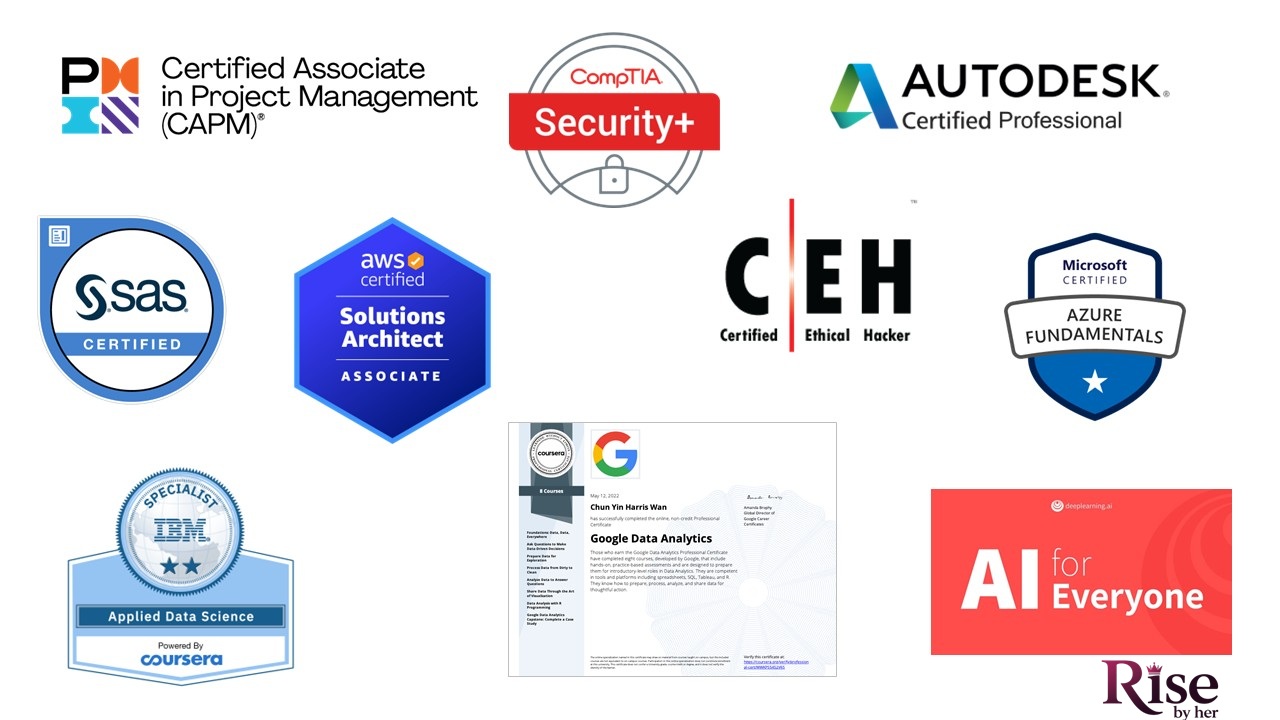
1. Google Data Analytics Professional Certificate (Best for Beginners)
- Best For: Absolute beginners looking to pivot into data engineering, business intelligence, or financial analysis.
- Core Skills Covered: SQL, Tableau, R Programming, spreadsheet automation, and data cleansing.
- Why It’s Worth It: Hosted on Coursera, this program requires no prior technical background. It serves as an incredibly smooth runway into tech, focusing on practical, hands-on portfolio projects that immediately show recruiters you can handle real enterprise datasets.
2. AWS Certified Solutions Architect – Associate (High Demand Cloud)
- Best For: Professionals seeking lucrative roles in cloud computing, DevOps, or software deployment systems.
- Core Skills Covered: Designing resilient cloud architectures, network security, IAM policy frameworks, and cost-optimized deployments.
- Why It’s Worth It: AWS dominates the global cloud infrastructure market share. Holding this associate certification instantly validates your capacity to build out enterprise cloud environments and often commands a distinct 15% to 20% salary premium.
3. Microsoft Azure Fundamentals (AZ-900) (Best Cloud Entry Point)
- Best For: Beginners wanting a solid understanding of cloud services or non-technical professionals interfacing with engineering teams.
- Core Skills Covered: Fundamental cloud concepts, core Azure architectural components, governance, privacy, and compliance management.
- Why It’s Worth It: Azure is expanding rapidly across enterprise and public sector industries. The AZ-900 is an incredibly budget-friendly, low-stress exam that provides the foundational baseline needed before jumping into advanced security or development tracks.
4. IBM Data Science Professional Certificate (Data Science & ML)
- Best For: Individuals with basic analytical knowledge aiming to step into machine learning and advanced data modeling.
- Core Skills Covered: Python programming, data analysis, open-source tools (Jupyter Notebooks), SQL, and predictive machine learning models.
- Why It’s Worth It: This multi-course certificate bridge-builds between basic analysis and technical data science roles. It signals to hiring managers that you understand machine learning methodologies natively within IBM cloud and standard environments.
5. CompTIA Security+ (Core Cybersecurity Essentials)
- Best For: Anyone targeting a foundational career in information security, threat hunting, or systems administration.
- Core Skills Covered: Risk management, network architecture security, incident response, vulnerability assessment, and cryptographic fundamentals.
- Why It’s Worth It: This remains the global benchmark for entering cybersecurity. It serves as a strict requirement for many governmental and corporate security infrastructures, acting as a powerful filter-passer for highly secure tech sectors.
6. Certified Ethical Hacker (CEH) (Advanced Cybersecurity)
- Best For: Mid-level tech professionals wanting to specialize in offensive security, penetration testing, and digital forensics.
- Core Skills Covered: Hacking vectors, system vulnerabilities, malware analysis, perimeter defense evasion, and structural testing.
- Why It’s Worth It: Security is an executive-level concern. By mastering the mindsets of modern cyber threats, women holding a CEH badge gain access to premium advisory and high-tier engineering roles that command significant salary leverage.
7. Autodesk Certified Professional (Best for Engineering & Architecture)
- Best For: Women specializing in mechanical engineering, structural architecture, Civil 3D design, or product manufacturing.
- Core Skills Covered: Advanced parametric modeling, component design, workflow automation, and complex documentation rendering.
- Why It’s Worth It: In physical engineering and industrial manufacturing spaces, software proficiency must be absolute. This professional badge proves to global engineering firms that your design work is verified to structural production standards.
8. PMI Certified Associate in Project Management (CAPM) (Tech Management)
- Best For: Professionals moving out of individual contributor positions toward tech management, Scrum leadership, or agile program direction.
- Core Skills Covered: Project methodologies, predictive plans, agile workflows, business analysis frameworks, and risk mitigation tools.
- Why It’s Worth It: Administered by the Project Management Institute (PMI), the CAPM serves as a master key to cross-functional engineering management, establishing cross-department authority without requiring years of prior PM experience.
9. SAS Statistical Business Analyst Certification (Niche Data Analytics)
- Best For: Analysts specializing in high-value corporate sectors like healthcare informatics, banking compliance, and statistical research.
- Core Skills Covered: ANOVA testing, linear regression models, predictive data forecasting, and advanced SAS macro deployment.
- Why It’s Worth It: While open-source languages are popular, major global financial and pharmaceutical corporations heavily rely on SAS infrastructure. Specializing in this niche instantly makes your profile rare and highly competitive.
10. Microsoft Certified: Azure AI Fundamentals (AI & Machine Learning Specialization)
- Best For: Professionals wanting formal, technical validation of their understanding of artificial intelligence capabilities.
- Core Skills Covered: Common AI workloads, principles of responsible machine learning, computer vision, and natural language processing on cloud systems.
- Why It’s Worth It: This certification addresses the immediate demand for talent capable of identifying, designing, and managing modern AI architectures. It effectively bulletproofs your profile against changing automation demands.
Quick Comparison Guide
With so many options out there, picking the right certification can feel overwhelming. The key is to match your career goals, industry trends, and personal strengths to the right program.
| Certification | Level | Focus Area | Industry Value Metric |
|---|---|---|---|
| Google Data Analytics | Beginner | General Data Analytics | High portfolio/interview builder |
| AWS Solutions Architect | Associate | Cloud Systems Infrastructure | Massive salary premium & recruiter pull |
| Azure Fundamentals | Beginner | Entry Cloud Engineering | Foundational enterprise credential |
| IBM Data Science | Intermediate | Machine Learning & Analytics | Practical code validation for portfolios |
| CompTIA Security+ | Foundational | Information Security | Standard gatekeeper for security roles |
| Certified Ethical Hacker | Advanced | Penetration Testing | Unlocks premium cybersecurity consulting |
| Autodesk Professional | Professional | Engineering & CAD Design | Highest value for mechanical/civil fields |
| PMI CAPM | Intermediate | Technology Management | Fast track to technical management paths |
| SAS Business Analyst | Advanced | Banking & Pharma Data | Highly paid niche analytics market |
| Azure AI Fundamentals | Beginner | AI & Machine Learning | Validates AI systems knowledge |
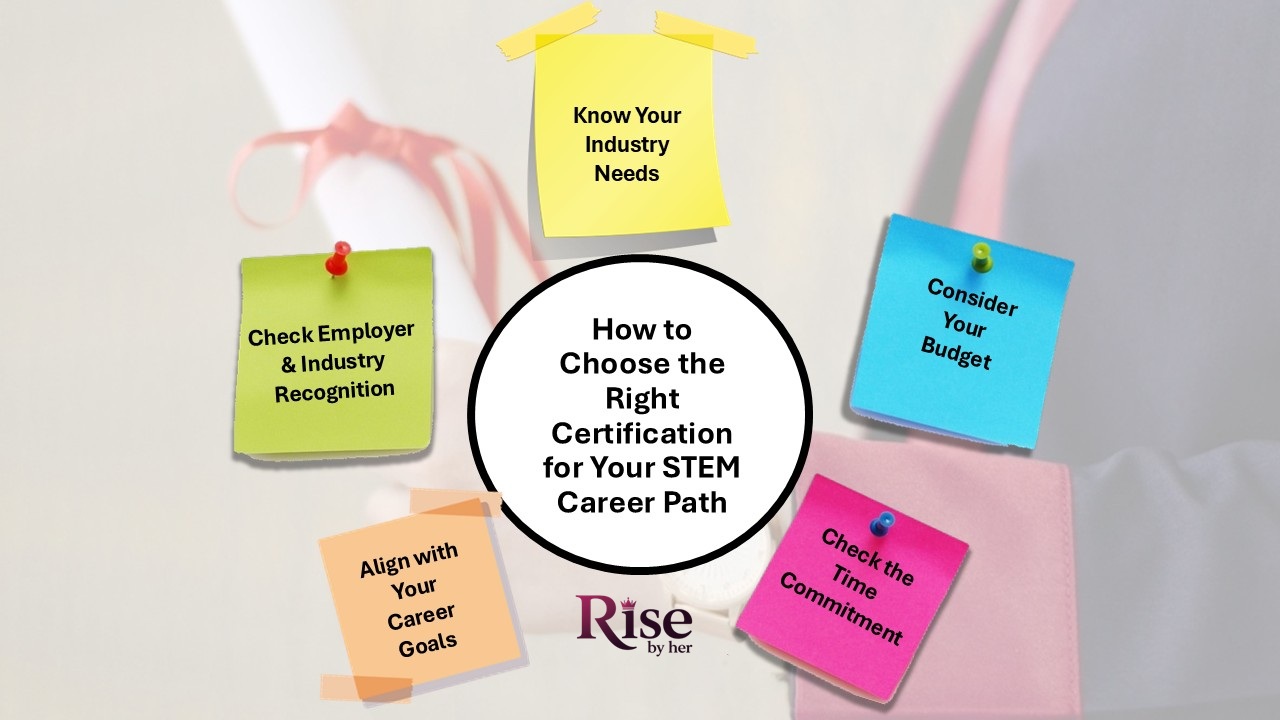
How to Choose the Right Certification for Your Career Path
Investing in a certification isn’t just about collecting digital badges; it’s about strategic career engineering. The wrong choice results in wasted hours and empty bank accounts, while the right choice serves as a powerful lever for promotions and salary hikes. To maximize your return on investment (ROI), you must evaluate how a credential intersects with your active career trajectory, your personal capacity, and the specific demands of your target job market.
Aligning with Your Long-Term Career Goals
Before looking at prices or study guides, you must define the exact professional outcome you want to unlock. Your career blueprint should dictate your technical specialization.
- The Horizontal Pivot (Breaking In): If you are transitioning from a non-technical role into STEM, prioritize wide-net, beginner-friendly credentials like the Google Data Analytics Certificate or Microsoft Azure Fundamentals. These build foundational technical literacy and a portfolio.
- The Vertical Climb (Upskilling): If you are already an individual contributor (e.g., a junior developer or system administrator) looking to maximize your earning potential, target high-scarcity, deep-technical tracks like AWS Solutions Architect or Certified Ethical Hacker (CEH).
- The Leadership Track (Management): If your goal is to move away from active coding or design and into strategy, architecture, or team leadership, pivot your focus toward methodology and governance, such as the PMI CAPM.
Assessing the Financial Investment vs. Time Commitment
Every certification demands a dual investment: cash and calendar space. Balancing these two variables prevents study burnout and financial strain.
- Calculate the True Financial Cost: Look beyond the baseline exam registration fee ($100 to $1,200+). Factor in the hidden costs of premium practice exams, hands-on lab environments, official study guides, and retake vouchers.
- Audit Your Weekly Time Budget: A foundational exam might require 20 to 30 hours of total study, whereas advanced credentials like the CompTIA Security+ or CEH frequently require 80 to 120+ hours of focused preparation. Be realistic about your current professional and personal boundaries.
- Measure the Velocity of the Return: Choose credentials that offer modular progression. For instance, completing a 4-week fundamental course yields a fast win to update your LinkedIn profile immediately, keeping your momentum high while you prepare for a heavier 3-month associate-level exam.
Evaluating Employer and Regional Recognition
A certification is only as valuable as the hiring market believes it is. True recognition varies significantly by industry sector, company size, and geographic location.
- Run a Local Job Market Audit: Before purchasing an exam, go to platforms like LinkedIn Jobs or Indeed. Filter for your target geographic region or remote market and type the certification acronym (e.g., “AZ-900”, “Security+”) into the search bar. If local enterprise openings or tech startups aren’t actively listing it as a “preferred qualification,” your money is better spent elsewhere.
- Understand Industry-Specific Dominance: Public sector institutions, defense contractors, and highly regulated industries have rigid, non-negotiable compliance requirements (often explicitly mandating CompTIA Security+). Conversely, modern tech startups and product-led companies place far higher value on hands-on cloud portfolios (like AWS or Azure ecosystems).
- Verify Global Portability: If you plan on working across international borders or positioning yourself for multinational recruitment, stick strictly to global tech heavyweights (Google, Microsoft, AWS, PMI). Their certification frameworks remain standardized and universally respected, whether your recruiter is based in Silicon Valley, London, or Casablanca.
Financial Aid, Grants, and STEM Scholarships for Women
The cost of technical certifications should never be a barrier to your professional advancement. While some specialized exams command premium registration fees, you don’t have to pay for them entirely out of pocket. A robust ecosystem of diversity grants, foundations, and corporate sponsorship programs exists specifically to fund women scaling their technical skill sets. By tapping into these resources, you can secure full exam vouchers, free learning paths, and high-value mentorship without taking a financial hit.
Top Tech Foundations Offering Certification Vouchers
Global tech leaders and non-profits are actively investing millions to diversify the STEM talent pool. If you know where to look, you can access hidden pathways that provide comprehensive study materials alongside free or deeply discounted exam vouchers.
- AWS Mentorship & Scholar Ecosystem: Tech giants offer heavily subsidized pipelines for cloud and AI training. For example, programs like the AWS She Builds Mentorship and the AWS AI & ML Scholars program provide tens of thousands of women globally with structured learning tracks, hands-on development labs, and exam preparation resources completely free of charge.
- Google Cloud for Developers (GEAR): Google regularly runs its “Get Certified” program through the Google Developer Profile framework. By joining these community cohorts, completing designated skill badges, and participating in instructor-led virtual labs, members can earn direct 100% discount vouchers for foundational and associate cloud exams.
- Women in Cybersecurity (WiCyS) & Code First Girls: Grassroots diversity groups partner directly with major tech firms (including Microsoft, Cisco, and corporate banks) to distribute sponsored vouchers for certifications like CompTIA Security+ and Azure Fundamentals. Active membership in these networks gives you direct access to periodic voucher drops and structured study groups.
How to Get Your Current Employer to Pay for Your Exam
The most overlooked source of training capital is your current employer’s corporate budget. Companies frequently maintain dedicated professional development funds that go entirely unused simply because employees don’t ask. The secret to securing corporate sponsorship lies in framing your certification not as an educational request, but as a direct business solution.
- Connect the Exam to Active Business Goals: Frame your certification around immediate corporate problems. Don’t say, “I want to learn cloud architecture.” Instead, say, “By completing the AWS Solutions Architect certification, I can directly help the team audit our current cloud deployment, optimize infrastructure costs, and mitigate data compliance risks.”
- Build a Modern Business Case: Present a clean, formal one-page proposal to your manager. Detail the total cost of the exam, the time commitment required (emphasizing that you will study outside of core operating hours), and the precise technical capabilities you will bring back to the team.
- Leverage the Partner Tier Argument: If your employer is a consulting firm, digital agency, or managed service provider (MSP), they rely on vendor partner statuses (like Microsoft Gold Partner or AWS Advanced Partner). These tiers explicitly require companies to employ a minimum number of certified professionals. Proving that your certification helps maintain or elevate the company’s official corporate tier makes approval nearly automatic.
Where to Take These Certifications & Best Study Resources
Knowing which credential to pursue is only half the battle; you also need to know where to securely take your exam and how to prepare efficiently. In 2026, the tech ecosystem offers unparalleled flexibility, allowing you to learn from anywhere and choose between high-security in-person testing centers or the comfort of your home office. By matching the right official platform with verified, high-yield study resources, you can minimize study time and pass your exam on the first attempt.
Official Exam Providers & Testing Environments
When you are ready to book your actual exam, you will go through official vendor testing ecosystems. Understanding your environment options is key to a stress-free test day.
- The Big Two Test Distributors: The vast majority of mainstream STEM and cloud certifications (including AWS, Microsoft Azure, and CompTIA) are administered globally via Pearson VUE. For business and project management paths like the CAPM, you will register directly through the Project Management Institute (PMI) portal.
- OnVUE Online Proctoring (Take It From Home): You can take almost any modern tech exam from home 24/7. This requires a stable internet connection, a clean webcam, and a private room. A remote proctor will monitor your screen and video feed throughout the exam to maintain strict compliance standards.
- In-Person Testing Centers: If you live in a major metropolitan hub or prefer an environment free of domestic distractions, you can opt for an authorized brick-and-mortar physical testing center. The on-site staff handles all security, computer setups, and infrastructure, allowing you to focus entirely on your questions.
The Best Premium and Free Study Platforms
To build true technical mastery and clear your exams smoothly, steer clear of unverified brain dumps. Stick to structured, industry-recognized platforms that emphasize practical execution and realistic mock scenarios.
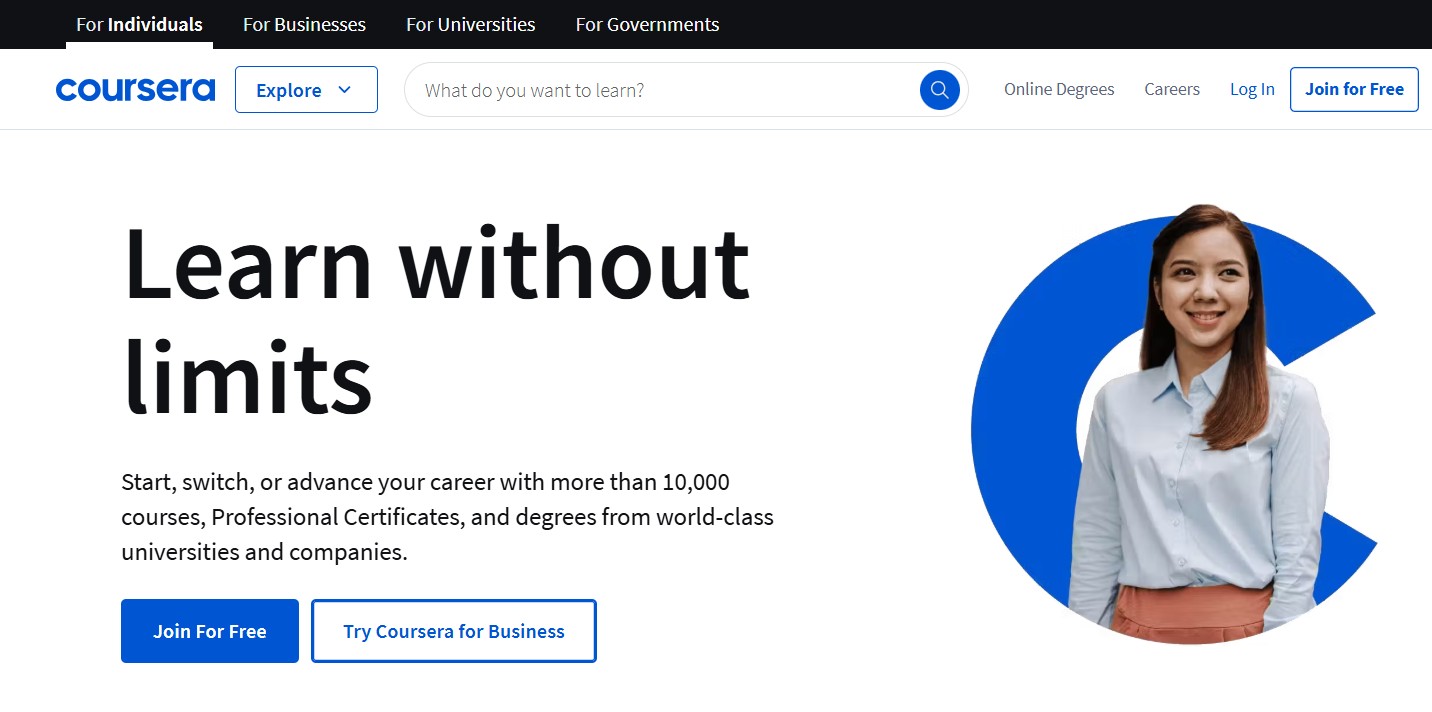
- Coursera (Best for Professional Certificates): Coursera hosts the official beginner pathways for Google Data Analytics and IBM Data Science. You can opt for a standalone subscription at roughly $39 to $79 per month, or choose Coursera Plus for unlimited access to over 7,000 courses. This platform is perfect for self-paced learners who want to combine conceptual videos with browser-based lab spaces.
- Udemy (Best for Deep Technical Deep-Dives): For rigorous associate and professional tracks like AWS Solutions Architect or CompTIA Security+, Udemy is an unmatched resource. Look out for top-tier creators like Stephane Maarek (for AWS) or Jason Dion (for CompTIA). Their comprehensive video bootcamps and highly accurate practice exam simulators are vital for breaking down complex architectural logic.
- Official First-Party Learning Hubs (100% Free): Before spending money on third-party courses, maximize the free training provided directly by the platform creators. Microsoft Learn offers full, interactive sandbox environments and learning paths for the AZ-900 and Azure AI Fundamentals at zero cost. Similarly, AWS Skill Builder provides free foundational digital courses directly from Amazon’s internal engineering teams.
Conclusion: Start Your Certification Journey Today
If you’re a woman aiming to thrive in STEM, 2026 is the perfect time to take that next bold step. Certifications not only boost your skills but also help break barriers, build confidence, and open doors to new opportunities in science and tech. Whether you’re just starting out or leveling up, picking even one certification can spark real change in your career.
- So don’t wait, get certified in STEM as a woman and start building the future you deserve.
- Subscribe to our newsletter for the latest opportunities, scholarships, and certification tips.
- Share this post with another woman in tech or drop a comment below with the certification you’re most excited to pursue.
Your journey starts now. Let’s grow together.
To increase your earning potential faster, explore Top Certifications for High Income Jobs for Women and choose one that matches your career goals.

By Aveline Lowell
Founder & Editor-in-Chief, RisebyHer
Aveline Lowell is the Founder and Editor-in-Chief of Rise by Her, where she publishes research-driven content focused on women’s entrepreneurship, financial independence, and scalable income strategies. Her work covers profitable business models, grant opportunities, digital income growth, and strategic career advancement for modern women building sustainable wealth.
She is committed to providing structured, practical guidance that helps women make informed financial and business decisions.