
Breaking into a STEM career no longer requires compromising on flexibility or relocating to a major tech hub. Today, high-paying remote STEM roles offer women unprecedented career autonomy, top-tier compensation, and structured paths to bypass traditional workplace barriers. Whether you are an experienced engineer, a healthcare professional transitioning to digital health, or seeking a high-growth analytical role with zero coding required, this guide breaks down the top remote STEM careers for women—backed by real-world salary data, required skills, and clear transition roadmaps.
- $108,500: Median Remote STEM Salary (BLS / Glassdoor 2025–2026 data)
- 68%: Female STEM pros who prefer remote/hybrid work vs. 55% of men
- +28%: Increase in female applicants when STEM job listings feature 100% remote options
- 46% vs 12%: Female representation range (UX/UI Design at 46% vs Cybersecurity at 12%)
| Role | Domain | Median Salary | Entry Barrier | 100% Remote Feasibility | Core Required Skill |
|---|---|---|---|---|---|
| Software Engineer | Tech & Software | $133,080 | Medium–High | 🟢 High (95%) | Python, JavaScript, Git |
| Cloud Engineer | Tech & Software | $126,000 | Medium | 🟢 High (90%) | AWS / Azure, Linux |
| DevOps Engineer | Tech & Software | $122,500 | High | 🟢 High (92%) | CI/CD Pipelines, Docker |
| Cybersecurity Analyst | Tech & Software | $124,910 | Medium | 🟡 Med–High (85%) | Network Security, SIEM |
| UX/UI Designer | Tech & Software | $98,500 | Low–Medium | 🟢 High (95%) | Figma, Wireframing, User Testing |
| Data Scientist | Data & AI | $108,020 | High | 🟢 High (90%) | Python, SQL, Statistics |
| Machine Learning / AI Engineer | Data & AI | $136,000 | High | 🟢 High (92%) | PyTorch, Machine Learning Algorithms |
| Data Analyst | Data & AI | $82,000 | Low–Medium | 🟢 High (88%) | SQL, Excel, Power BI / Tableau |
| Environmental Data Scientist | Data & AI | $88,500 | Medium–High | 🟡 Medium (75%) | R/Python, GIS, Environmental Modeling |
| GIS Specialist | Data & AI | $78,000 | Low–Medium | 🟢 High (85%) | ArcGIS, Spatial Analysis |
| Bioinformatics Scientist | Biotech & Health | $107,500 | High (MS/PhD) | 🟡 Medium (70%) | Python, Genomics Data, R |
| Digital Health Specialist | Biotech & Health | $92,000 | Medium | 🟢 High (85%) | EHR Systems, Health Informatics |
| Clinical Data Manager | Biotech & Health | $95,000 | Medium | 🟢 High (88%) | EDC Tools, Clinical Trial Protocols |
| Technical & Scientific Writer | Biotech & Health | $86,000 | Low–Medium | 🟢 High (98%) | Technical Documentation, API Specs |
| Technical Product Manager | Product & Mgmt | $128,000 | Medium–High | 🟢 High (90%) | Agile/Scrum, Roadmap Strategy |
| QA Automation Engineer | Product & Mgmt | $92,500 | Low–Medium | 🟢 High (95%) | Selenium, Test Scripts |
| STEM Curriculum Developer | STEM Education | $76,000 | Low–Medium | 🟢 High (95%) | Instructional Design, EdTech Tools |
High-Paying Remote Tech & Software Careers
Tech and software engineering roles offer some of the highest remote flexibility and compensation. Here are the top 5 roles in this space, ranked by earning potential and accessibility.
1. Software Engineer / Developer
- Average Salary: $133,080 / year
- Remote Flexibility: 🟢 High (100% Remote Available)
- Entry Barrier: Medium–High
- Core Tools: Python, JavaScript, React, SQL, Git
- What You Do: Build, test, and maintain user-facing web applications or back-end software systems.
- Why It’s Great for Women: Highly asynchronous work with performance judged on code output rather than office presence.
- How to Break In: Build 2–3 full-stack projects and showcase them on a public GitHub profile to prove your skills.
2. Cloud Engineer
- Average Salary: $126,000 / year
- Remote Flexibility: 🟢 High (100% Remote Available)
- Entry Barrier: Medium
- Core Tools: AWS, Azure, Linux, Terraform
- What You Do: Set up and manage virtual server infrastructure and application databases in the cloud.
- Why It’s Great for Women: Cloud systems operate entirely online, making 100% work-from-home options the industry norm.
- How to Break In: Earn a entry-level cloud certification like the AWS Certified Solutions Architect – Associate.
3. DevOps Engineer
- Average Salary: $122,500 / year
- Remote Flexibility: 🟢 High (100% Remote Available)
- Entry Barrier: High
- Core Tools: Docker, Kubernetes, CI/CD, Python
- What You Do: Build automated pipelines that test and deploy software updates without crashing live applications.
- Why It’s Great for Women: High-impact, strategic technical role with strong demand across fully remote enterprise companies.
- How to Break In: Learn containerization (Docker) and build an automated deployment pipeline for a basic web app.
4. Cybersecurity Analyst
- Average Salary: $124,910 / year
- Remote Flexibility: 🟡 Med–High (85% Remote / Occasional On-Call)
- Entry Barrier: Medium
- Core Tools: Network Security, Splunk, Python, Security+
- What You Do: Monitor networks, run vulnerability scans, and protect corporate data from security breaches.
- Why It’s Great for Women: Strong demand for diverse perspectives in threat analysis, with mostly remote Security Operations Center (SOC) setups.
- How to Break In: Start with the CompTIA Security+ certification and build a basic home lab to practice threat detection.
5. UX/UI Designer & Researcher
- Average Salary: $98,500 / year
- Remote Flexibility: 🟢 High (100% Remote Available)
- Entry Barrier: Low–Medium
- Core Tools: Figma, Wireframing, User Testing, Miro
- What You Do: Conduct user research and design clean, easy-to-use app and website interfaces before developers build them.
- Why It’s Great for Women: High female representation (~46%) and flexible collaboration using tools like Figma and Loom.
- How to Break In: Create a portfolio showcasing 2–3 case studies that walk through your design process from problem to working prototype.
In-Demand Data, AI, & Analytics Roles
As global organizations increasingly rely on machine learning, predictive analytics, and spatial data to drive executive decision-making, demand for skilled data professionals has reached an all-time high. Data and AI careers are inherently suited for remote work, operating almost entirely through cloud-based data warehouses, analytical models, and asynchronous reporting pipelines. From accessible entry-level positions like data analysis to high-yielding specialization tracks in artificial intelligence, these roles offer analytical thinkers exceptional career stability, remote flexibility, and aggressive salary growth.

6. Data Scientist
- Average Salary: $108,020 / year
- Remote Flexibility: 🟢 High (100% Remote Available)
- Entry Barrier: High
- Core Tools: Python, R, SQL, Machine Learning, Tableau
- What You Do: Extract insights from complex data sets to help companies make strategic business decisions.
- Why It’s Great for Women: High-impact role focused heavily on project deliverables rather than physical office visibility.
- How to Break In: Build a portfolio showing real data cleaning, statistical modeling, and clear visual dashboards.
7. Machine Learning / AI Engineer
- Average Salary: $136,000 / year
- Remote Flexibility: 🟢 High (100% Remote Available)
- Entry Barrier: High
- Core Tools: PyTorch, TensorFlow, Python, MLOps, Algorithm Design
- What You Do: Build and train artificial intelligence models and predictive algorithms that power smart applications.
- Why It’s Great for Women: One of the fastest-growing STEM fields with top-tier compensation and flexible remote options.
- How to Break In: Master Python and build open-source AI models or complete specialized ML project tracks on Kaggle.
8. Data Analyst
- Average Salary: $82,000 / year
- Remote Flexibility: 🟢 High (100% Remote Available)
- Entry Barrier: Low–Medium
- Core Tools: SQL, Excel, Power BI, Tableau, Python
- What You Do: Clean raw business data and turn it into clear visual reports and executive dashboards.
- Why It’s Great for Women: One of the most accessible entry points into tech without requiring a computer science degree.
- How to Break In: Earn a entry-level data credential like the Google Data Analytics Professional Certificate.
9. Environmental Data Scientist
- Average Salary: $88,500 / year
- Remote Flexibility: 🟡 Medium (75% Remote / Occasional Field Data Collection)
- Entry Barrier: Medium–High
- Core Tools: R, Python, GIS Software, Environmental Statistics
- What You Do: Analyze climate models, pollution tracking, and conservation data for research institutes and green tech companies.
- Why It’s Great for Women: Combines environmental impact work with modern data science compensation and flexibility.
- How to Break In: Complete projects using public environmental datasets (like NOAA or EPA data) and post them online.
10. GIS (Geographic Information Systems) Specialist
- Average Salary: $78,000 / year
- Remote Flexibility: 🟢 High (100% Remote Available)
- Entry Barrier: Low–Medium
- Core Tools: ArcGIS, QGIS, Spatial Analysis, Python
- What You Do: Map and analyze location-based data for urban planning, environmental research, and logistics.
- Why It’s Great for Women: Steady, independent project work with flexible hours and minimal real-time meetings.
- How to Break In: Learn ESRI ArcGIS software and build a portfolio map project using open demographic or geographical data.
Remote Healthcare, Biotech & Science Careers
The digital transformation of healthcare and life sciences has unlocked a growing ecosystem of work-from-home scientific careers. Women with backgrounds in biology, chemistry, nursing, or clinical research are no longer confined to traditional wet labs or high-stress bedside shifts. By leveraging computational biology, digital health informatics, and clinical data management, life science professionals can transition into high-impact remote roles that combine scientific rigor with predictable, flexible working hours.
11. Bioinformatics Scientist
- Average Salary: $107,500 / year
- Remote Flexibility: 🟡 Medium (70% Remote / Hybrid Options)
- Entry Barrier: High (MS or PhD Preferred)
- Core Tools: Genomics Software, Python, R, Molecular Modeling
- What You Do: Use computational tools to analyze complex biological datasets, such as DNA sequences and drug discovery models.
- Why It’s Great for Women: High female representation in biological sciences combined with remote computational research.
- How to Break In: Transition from traditional lab biology by building computational analysis skills in Python and R.
12. Digital Health Specialist
- Average Salary: $92,000 / year
- Remote Flexibility: 🟢 High (100% Remote Available)
- Entry Barrier: Medium
- Core Tools: EHR Systems, Telehealth Platforms, Health Informatics
- What You Do: Manage telehealth operations, patient data systems, and remote care technologies for healthcare networks.
- Why It’s Great for Women: Ideal for nurses or healthcare professionals looking to transition away from bedside clinical shifts.
- How to Break In: Combine clinical healthcare experience with a certification in Health Informatics (e.g., CAHIIM).
13. Clinical Data Manager
- Average Salary: $95,000 / year
- Remote Flexibility: 🟢 High (100% Remote Available)
- Entry Barrier: Medium
- Core Tools: EDC Tools (Electronic Data Capture), Clinical Trial Protocols, SAS/SQL
- What You Do: Ensure data collected during medical and pharmaceutical clinical trials is accurate, secure, and compliant.
- Why It’s Great for Women: Detail-oriented, high-paying pharmaceutical sector role with mature work-from-home options.
- How to Break In: Get certified through the Society for Clinical Data Management (SCDM) or start as a Clinical Research Associate.
14. Technical & Scientific Writer
- Average Salary: $86,000 / year
- Remote Flexibility: 🟢 High (100% Remote Available)
- Entry Barrier: Low–Medium
- Core Tools: Markdown, Documentation Platforms (Confluence, Notion), API Specs
- What You Do: Translate complex technical, medical, or scientific documentation into clear guides, manuals, and API docs.
- Why It’s Great for Women: Flexible asynchronous schedule with strong freelance or full-time remote options.
- How to Break In: Create written samples explaining a complex technical tool or API and build a portfolio on GitHub/Notion.
Product, Management & STEM Education Roles
You do not need to write complex code every day to build a lucrative, highly flexible career in the STEM sector. Non-technical and cross-functional leadership roles—such as product management, quality assurance, and instructional design—play a critical role in guiding technical execution, translating user needs, and educating future talent. These careers offer women exceptional opportunities to leverage high-level strategic thinking, project coordination, and communication skills while benefiting from tech-industry compensation structures and 100% remote work arrangements.
15. Technical Product Manager
- Average Salary: $128,000 / year
- Remote Flexibility: 🟢 High (100% Remote Available)
- Entry Barrier: Medium–High
- Core Tools: Jira, Agile/Scrum Frameworks, Product Roadmapping, SQL
- What You Do: Guide the strategy, roadmap, and feature execution for software products by bridging tech teams and customers.
- Why It’s Great for Women: High-visibility leadership role without needing to write code every day.
- How to Break In: Earn a Product Management certification (like Certified Scrum Product Owner) or pivot internally from project coordination.
16. QA (Quality Assurance) Lead
- Average Salary: $92,500 / year
- Remote Flexibility: 🟢 High (100% Remote Available)
- Entry Barrier: Low–Medium
- Core Tools: Selenium, Postman, Bug Tracking Systems, Test Scripts
- What You Do: Test websites and mobile apps before launch to catch software bugs, broken links, and security glitches.
- Why It’s Great for Women: Excellent low-barrier entry path into software development with immediate hands-on technical exposure.
- How to Break In: Learn basic automated testing tools like Selenium or Cypress and practice on open-source web apps.
17. Remote STEM Curriculum Developer & Instructor
- Average Salary: $76,000 / year
- Remote Flexibility: 🟢 High (100% Remote Available)
- Entry Barrier: Low–Medium
- Core Tools: LMS Platforms (Canvas/Moodle), EdTech Software, Instructional Design
- What You Do: Design online STEM courses, video tutorials, and interactive learning materials for EdTech companies and universities.
- Why It’s Great for Women: Excellent choice for former educators or STEM grads wanting 100% control over their working hours.
- How to Break In: Build a sample 4-week STEM curriculum module demonstrating instructional design principles.
How to Land a Remote STEM Role: A 4-Step Transition Roadmap
Pivoting into a remote STEM career can feel intimidating—especially when navigating career transitions, non-traditional technical backgrounds, or male-dominated industry cultures. However, landing a remote role is rarely about collecting formal university degrees; it requires building demonstrable, real-world skills, creating a public portfolio, and leveraging strategic referral networks. This step-by-step roadmap outlines how to strategically bridge your skill gaps, showcase your proof-of-work, and vet remote-first employers to secure a high-paying role on your own terms.
Step 1: Target High-Demand Skills over Broad Degrees
Traditional multi-year degrees are no longer the primary gatekeeper for remote STEM hiring. Employers prioritize functional competency with modern, cloud-based tools over classroom theory.
- Focus on Tool Stacks: Prioritize concrete skills with high market demand—such as SQL, Python, AWS, Figma, or Docker—rather than broad computer science theories.
- Identify Micro-Specializations: Combine your existing domain knowledge (e.g., healthcare, finance, teaching) with one technical skill to target niche roles like Health Data Analyst or EdTech Product Manager.
- Use Fast-Track Learning: Leverage targeted bootcamps or structured self-paced tracks on platforms like freeCodeCamp, Coursera, or Udemy to acquire baseline tools within 3–6 months.
Step 2: Build a Proof-of-Work Portfolio on GitHub or Figma
When applying for remote jobs against a global applicant pool, a standard bullet-point resume is rarely enough. Your portfolio serves as tangible proof that you can deliver production-ready work independently.
- GitHub for Code & Data: For software, cloud, and data roles, host 2–3 clean repositories on GitHub. Include a clear
README.mdfile explaining the problem statement, technology stack, and installation steps. - Figma & Notion for UX/Product: For UX design and product roles, create 2 interactive case studies showing your full workflow—from user research and wireframes to final prototypes.
- Solve Real-World Problems: Avoid copying generic tutorial projects. Analyze open public datasets (e.g., Kaggle, NOAA) or build a solution for a local small business or non-profit.
Step 3: Leverage Women-in-STEM Communities & Referral Networks
Cold-applying through job boards often leads to automated rejections. Tapping into active women-in-tech networks gives you direct access to insider job referrals, mentorship, and unadvertised remote openings.
- Join Active Global Networks: Connect with active organizations built specifically to support women in technology, such as WomenTech Network, Elpha, Tech Ladies, and Girls Who Code (for early-career/mentorship).
- Bypass Cold Applications: Engage in community Slack groups and Discord channels where female hiring managers post remote roles before they hit traditional job boards.
- Secure Peer Mentorship: Find mentors through platforms like The Women in STEM Network to get feedback on your portfolio and mock interview practice.
Step 4: Vetting Companies for Authentic Remote Culture & Pay Equity
Not every job labeled “remote” provides a healthy work environment. Evaluating companies during the interview process helps you avoid micro-management, hidden hybrid demands, and unequal compensation.
- Look for Asynchronous Systems: Ask how team communication happens. Healthy remote teams rely on written documentation platforms (e.g., Notion, Confluence, Loom) rather than constant, real-time Slack surveillance.
- Verify Pay Transparency: Target employers based in or hiring across regions with strict pay transparency laws, and check salaries on platforms like Levels.fyi or Glassdoor to ensure fair market rates.
- Ask Direct Interview Questions: Inquire about performance metrics, time-zone expectations, and how the company supports career advancement for remote female employees.
Best Certifications for High-Paying Remote STEM Jobs
When applying for work-from-home STEM roles against a global applicant pool, industry-recognized certifications serve as powerful proof of your technical skills. Rather than spending years—and tens of thousands of dollars—on additional college degrees, targeted credentials allow career switchers and experienced professionals to bypass traditional gatekeepers and land high-paying interviews fast. Below are the top certifications across tech, data, product, and health informatics that yield the highest return on investment (ROI) for remote roles.
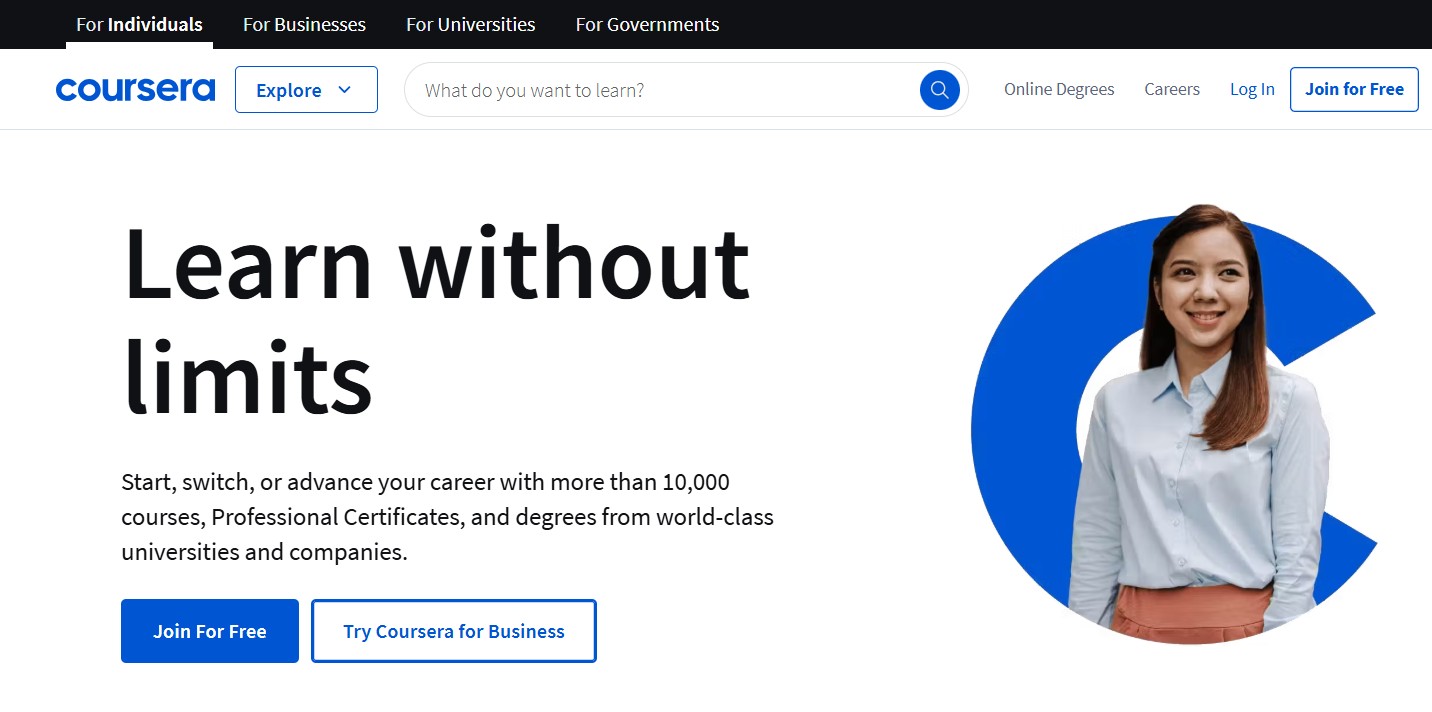
If you’re looking to switch careers, explore our guide on How to Break into Tech: Top STEM Certifications for Women to discover industry-recognized credentials that can help you land your first tech role.
Top Cloud & Security Certifications (AWS, CompTIA, CISSP)
Cloud infrastructure and cybersecurity represent two of the most lucrative, 100% remote fields in tech. These credentials validate that you can build, maintain, and protect cloud systems safely from anywhere.
- AWS Certified Solutions Architect – Associate: The premier credential for cloud roles. It proves you know how to design scalable, secure systems on Amazon Web Services (AWS) and frequently leads to starting salaries over $115,000.
- CompTIA Security+: The industry-standard entry point for cybersecurity analysts and system administrators. It satisfies foundational compliance mandates (like US DoD 8570) and signals immediate readiness for remote SOC (Security Operations Center) roles.
- Certified Information Systems Security Professional (CISSP): Designed for advanced security professionals and engineering leads. CISSP is globally recognized for high-level security governance, risk management, and six-figure remote consulting work.
Top Data & Product Certifications (Google Data Analytics, PMP, Certified ScrumMaster)
If you excel at solving business problems through data analysis or managing agile cross-functional teams, these certifications offer a fast track into high-growth data and product roles.
- Google Data Analytics Professional Certificate: The top beginner-friendly credential for breaking into tech without a computer science degree. It covers SQL, R, Tableau, and data cleaning basics, providing hands-on project portfolio outputs.
- Project Management Professional (PMP): Earned through the Project Management Institute (PMI), this is the definitive certification for technical project and program managers, boosting earning potential by an average of 20% across remote organizations.
- Certified ScrumMaster (CSM): A fast-track credential focused on Agile frameworks. It prepares non-technical professionals to lead daily standups, sprint planning, and asynchronous workflows as a remote Scrum Master or Agile Coach.
Top Health Informatics & Biotech Certifications (CAHIIM, CPHIMS, SCDM)
For women transitioning from clinical healthcare, nursing, or life science backgrounds, specialized digital health credentials allow you to pivot into well-paid remote research and healthcare systems management.
- Certified Professional in Healthcare Information and Management Systems (CPHIMS): Offered by HIMSS, this certification validates expertise in healthcare data, clinical informatics, and electronic health record (EHR) system administration.
- SCDM Certified Clinical Data Manager (CCDM): Issued by the Society for Clinical Data Management, this credential is highly valued by pharmaceutical and biotech firms for remote clinical trial data supervision.
- aAHIMA / CAHIIM Health Data Analytics Credentials: Ideal for nurses or health administrators looking to transition away from bedside care into high-demand remote health informatics and analytics roles.
Frequently Asked Questions About Remote STEM Careers
What is the highest-paying remote STEM job for women?
Currently, Machine Learning / AI Engineers and Software Engineering Managers top the compensation scale for remote STEM professionals, with median salaries ranging from $136,000 to over $200,000 depending on experience and cloud specialization. Non-coding leadership positions, such as Technical Product Managers, also command high-earning potential with median salaries around $128,000.
Can STEM jobs really be done fully remote?
Yes, millions of STEM roles are 100% remote. Digital tech fields—such as cloud engineering, data analytics, web development, and UX design—operate seamlessly via asynchronous, cloud-based environments. Furthermore, life science fields like bioinformatics, digital health informatics, and clinical data management have shifted almost entirely to remote models, allowing scientists to work off-site without wet labs.
Which STEM fields offer the most remote opportunities?
Tech and Data Analytics offer the largest volume of remote job listings, accounting for over 70% of all advertised work-from-home STEM openings. Software development, cybersecurity, product management, and cloud architecture routinely offer location-independent work. Healthcare IT and environmental data modeling are also among the fastest-growing remote sectors.
Do remote STEM jobs pay less than traditional office jobs?
Generally, no. Thanks to widespread pay transparency laws and global talent competition, top remote employers offer national, standardized pay bands tied to performance rather than office attendance. While some companies apply localized geographic cost-of-living adjustments, remote STEM professionals consistently earn within 5% of their in-office counterparts—while saving thousands annually on commuting, wardrobe, and transit costs.
Can you land a remote STEM job without a computer science degree?
Absolutely. Modern remote employers increasingly prioritize functional skill sets and “proof of work” over multi-year university degrees. Career switchers can break into six-figure roles like Data Analyst, UX Designer, or Technical Writer by completing targeted bootcamps, earning industry-recognized certifications (e.g., Google Data Analytics, AWS, CompTIA Security+), and building a public portfolio on GitHub or Figma.
Which remote STEM fields offer the best work-life balance for caregivers?
Roles centered on asynchronous communication and project-based deliverables offer the most flexible schedules. Careers in UX/UI Design, Technical Writing, Data Analysis, and QA Automation Engineering typically allow professionals to manage their own working hours around family commitments, avoiding rigid shift schedules or high-stress on-call rotations.
Final Takeaway: Breaking Into Your Remote STEM Career
The landscape of STEM work has permanently shifted. Securing a high-paying, 100% remote role no longer requires decades of corporate ladder climbing or an elite computer science degree. Modern remote employers value functional skills, tangible proof of work, and problem-solving initiative over traditional gatekeeping credentials.
By choosing a career path aligned with your strengths, building a public portfolio on platforms like GitHub or Figma, and tapping into active women-in-STEM communities, you can unlock unparalleled career flexibility and financial independence. The demand for skilled female leaders in tech, data, healthcare, and science is at an all-time high—take the first step today by picking one targeted skill, building your proof-of-work, and positioning yourself for the remote workforce.
As you continue building your career, don’t stop at earning certifications. Explore our guide on Top Remote Tech Skills for Women: Certifications, Tools, and Strategy to develop the in-demand skills and remote work strategies that can help you thrive in today’s digital workforce.
By Aveline Lowell
Founder & Editor-in-Chief, RiseByHer
Aveline Lowell writes research-driven content covering women’s finance, entrepreneurship, STEM, technology, and career growth. Her work focuses on practical, well-researched information that helps women make informed decisions.
Editorial & Disclaimer: RiseByHer aims to provide accurate, well-researched, and up-to-date information. Articles are reviewed and updated when necessary and are intended for general informational and educational purposes, not personalized financial, legal, tax, or professional advice.